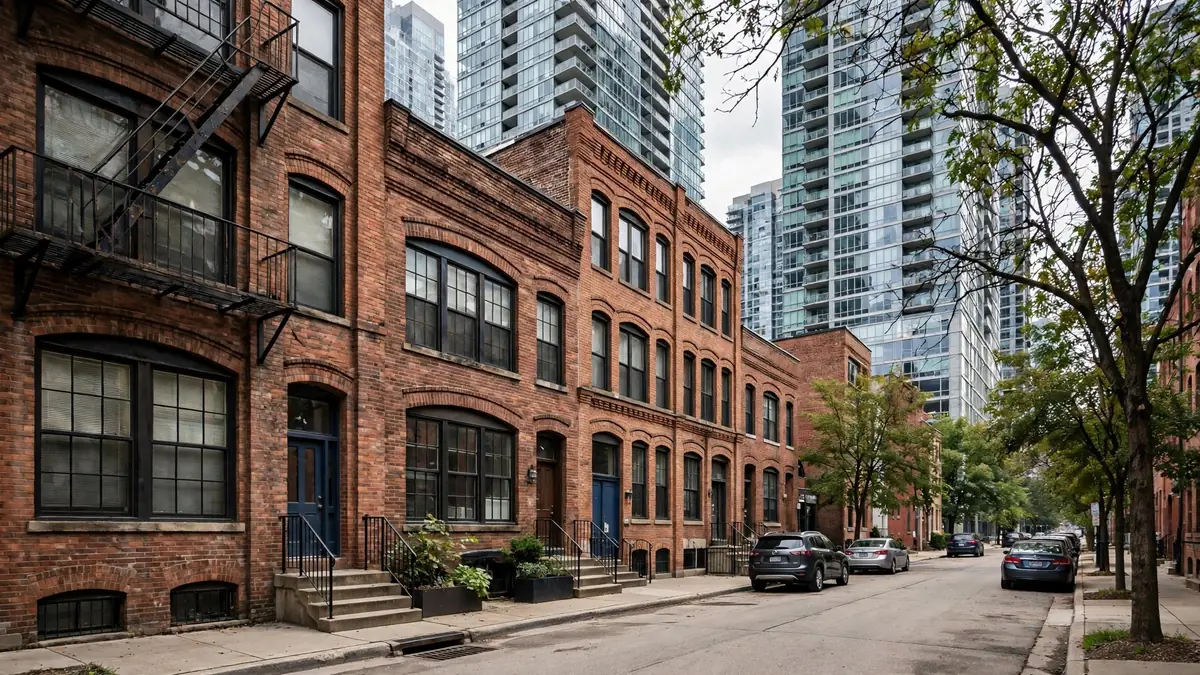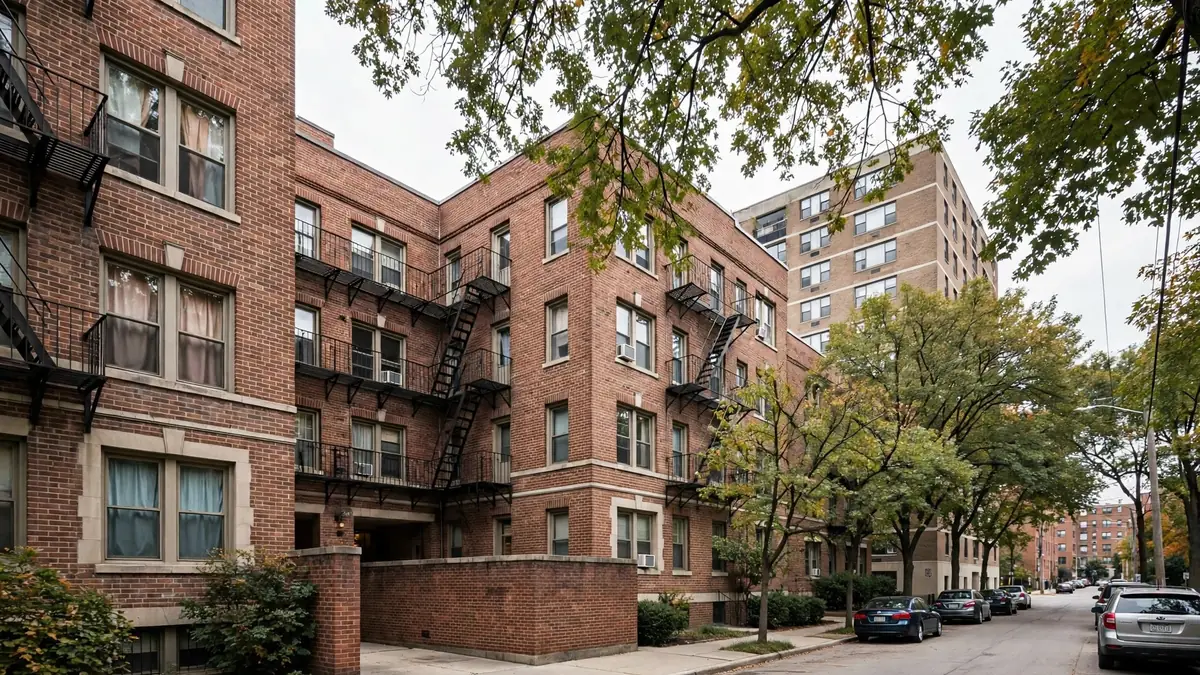
Key facts: Uptown and Edgewater
- Uptown is Chicago Community Area 3, bounded by Foster Avenue, Montrose Avenue and Irving Park Road, Ravenswood Avenue and Clark Street, and Lake Michigan [1].
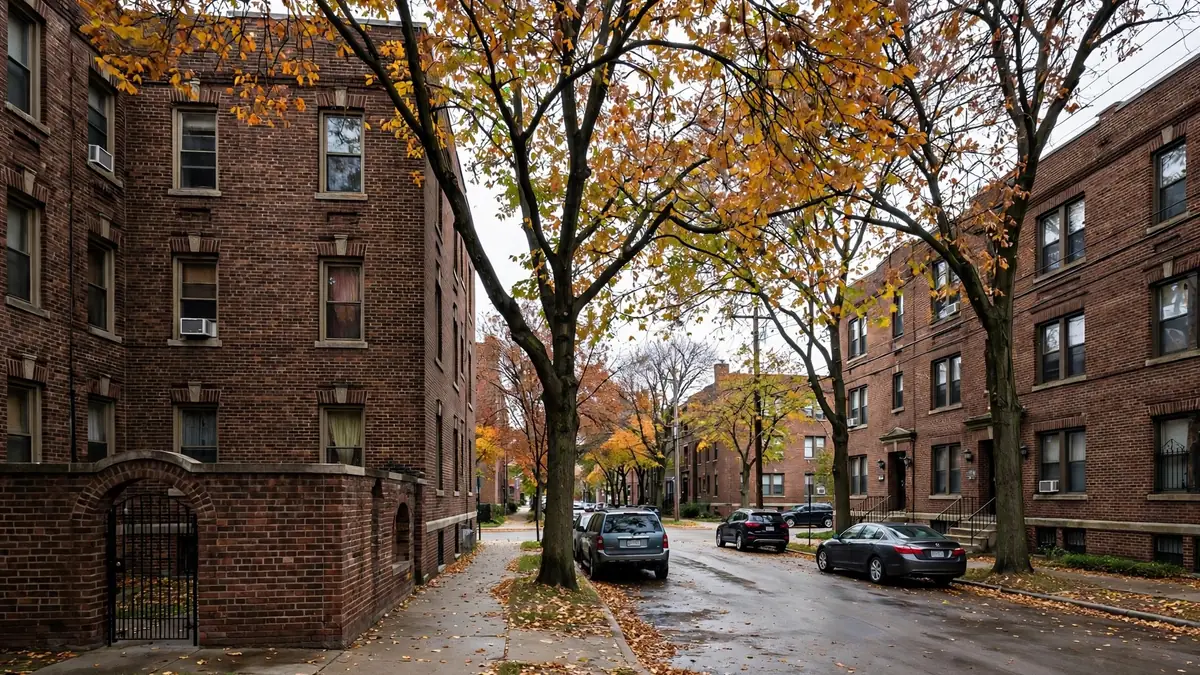
- Sheridan Park in Uptown is mostly six-flats, courtyard apartment buildings and single-family houses; Margate Park has terracotta apartment hotels converted to condos and co-ops [1].
- Edgewater is Community Area 77, between Foster and Devon, and was separated from Uptown in 1980 [2].
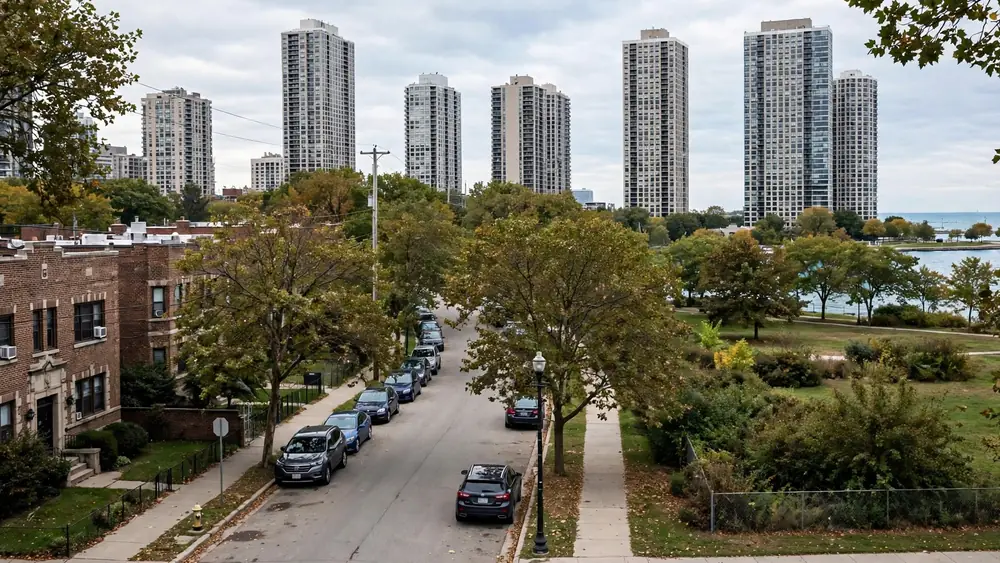
- Edgewater's lakefront has high-rise apartments and condominiums, while its western blocks are mostly single-family homes and two- to four-story flats [2].
- Exterior repairs to designated Chicago landmarks may need review by the Commission on Chicago Landmarks [3].
Covered here
Uptown and Edgewater neighborhoods covered
These neighborhoods in ZIP codes 60640 and 60660 are covered by the contractors you reach through this site.
- Buena ParkMansions and Prairie-style houses beside lakefront towers, between Montrose and Irving Park.
- Sheridan ParkSix-flats, courtyard buildings and single-family homes between Lawrence and Montrose, west of Broadway.
- Margate ParkHistoric mansions, mid-rises and terracotta apartment hotels between Foster and Lawrence.
- AndersonvilleTwo- to four-story flats and houses around Clark Street in western Edgewater.
- Edgewater Beach and the Sheridan Road corridorLakefront high-rises and mid-rises along Sheridan Road.
- Bryn Mawr, Lakewood Balmoral and Edgewater GlenHistoric districts and residential blocks of houses and flats.
The buildings
The building mix in Uptown and Edgewater
Uptown and Edgewater were one community area until 1980, when Edgewater was separated again [2]. Together they cover the lakefront from Montrose Avenue north to Devon Avenue, and they share a building stock dominated by multi-unit housing.
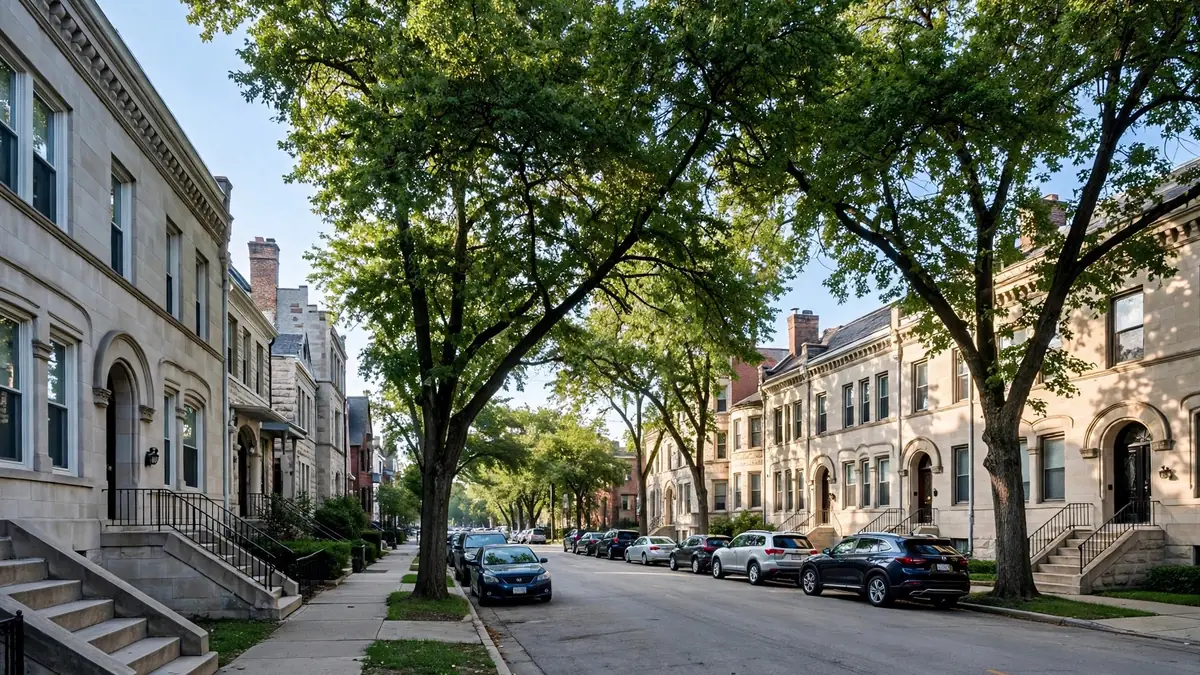
In Uptown, Sheridan Park is mostly six-flats, courtyard apartment buildings and single-family houses, Buena Park mixes mansions and Prairie-style houses with nearby high-rises, and Margate Park has historic mansions, mid-rises and terracotta-clad apartment hotels, some converted to condos and co-ops [1]. In Edgewater, the lakefront has high-rise apartments and condominiums and some mid-rises, a few old mansions remain along Sheridan Road, and the western blocks are mostly single-family homes and two- to four-story flats [2].
Most residents of both neighborhoods live in buildings with several or many units. That shapes everything about fire restoration here: more neighbors are affected, shared systems carry smoke, building managers control access, and several insurers are often involved.
Common calls
Typical fire damage calls from Uptown and Edgewater
Smoke from a neighbor's unit
Odor and residue in your apartment from a fire elsewhere in a courtyard building or tower.
Water from floors above
Ceiling and wall damage from firefighting or sprinkler water several floors up.
Kitchen fires in older apartments
Stovetop fires in vintage kitchens that spread smoke into hallways and stairwells.
Six-flat stairwell smoke
Smoke filling the shared stair of a six-flat and entering every unit off it.
Fires in large historic houses
Damage to mansions and older homes in Buena Park, Margate Park and along Sheridan Road.
Storefront fires with apartments above
Fires in businesses along Broadway, Clark or Argyle reaching the flats overhead.
Six-flats
How fire and smoke behave in a six-flat
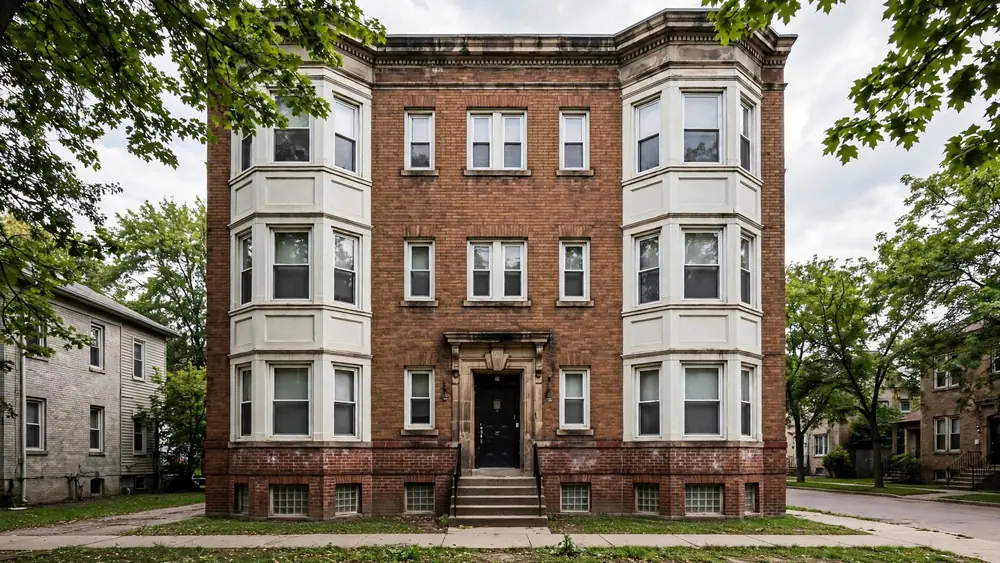
The six-flat is a Chicago staple and common in Sheridan Park [1]. It usually has three floors with two units on each, around a central front stair, plus rear stairs or porches for each side. The central stair is the main path for smoke. A fire in one unit fills the stair, and smoke enters the other five units through door gaps.
Water flows down from the floor that burned, through the units directly below. A third-floor fire often leaves the second- and first-floor units on the same side with wet ceilings and walls, and water may reach the basement where the boiler and laundry are.
The rear porches are another concern. Many six-flats have wooden rear porches and stairs serving each floor. A fire on one porch can spread to the others and leave all the rear units without a second exit until it is repaired. Restoration of a six-flat should include the stair, every affected unit, the basement and the porches, not just the unit where the fire started.
Towers
Fire damage in Sheridan Road high-rises
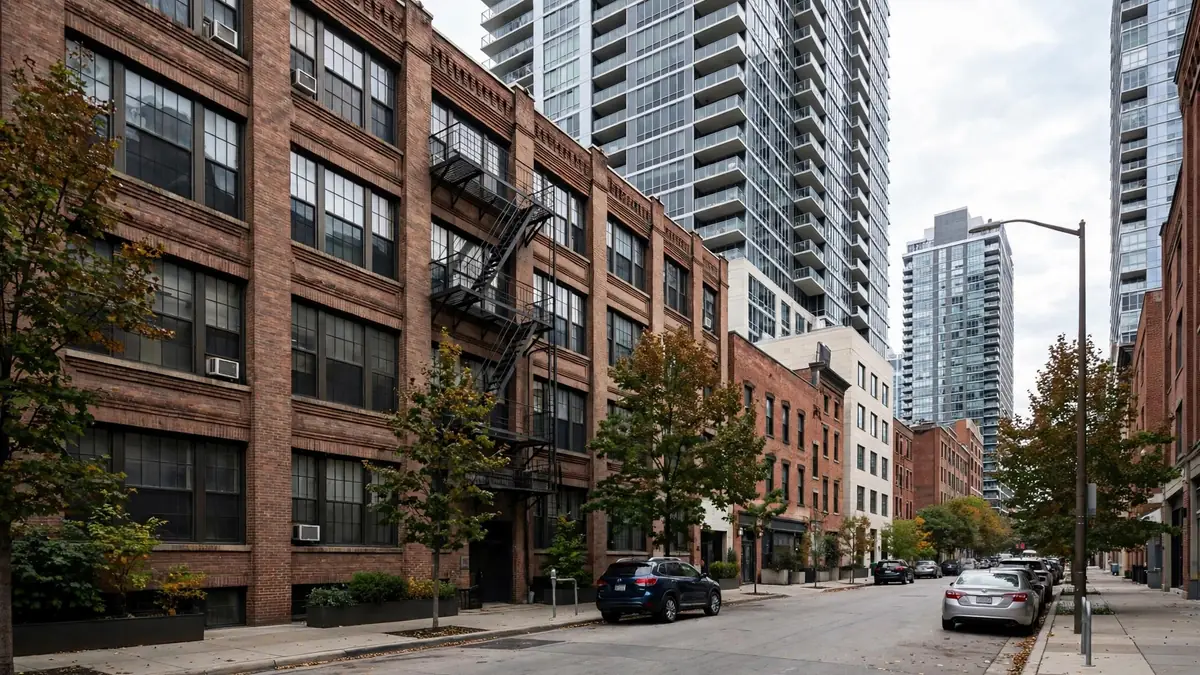
Edgewater's lakefront along Sheridan Road, and parts of Uptown near the lake, are lined with high-rise apartment and condominium buildings [2]. In a tower, the building's construction usually keeps a fire within one unit, but smoke can reach corridors and nearby units through doors and shafts, and firefighting or sprinkler water can damage several floors below.
Restoration in a tower depends on cooperation with management. The association or owner controls the corridors, elevators, loading dock and building systems, and contractors usually need approval and proof of insurance. Unit owners handle their interiors and contents; the association handles common elements under its declaration and policy.
If you live in a tower and smoke or water reached your unit from elsewhere, document it, tell management and your insurer, and ask how common areas will be cleaned. Odor that keeps returning may be coming from a corridor, shaft or ventilation system that only the building can address.
Apartment hotels
Terracotta apartment hotels and co-ops in Margate Park
Margate Park has terracotta-clad apartment hotels from the early twentieth century, some converted to condominiums and co-ops [1]. These buildings combine features of hotels and apartments: long corridors, many small units, central mechanical systems and ornate exteriors.
In a co-op, residents own shares in the building corporation rather than their units outright, and the co-op board controls repairs and insurance for the whole building. After a fire, the board's decisions and the building's master policy matter even more than in a condo. Ask the board how damage to your unit's interior is handled.
Terracotta facades can crack or spall from heat and from water used in firefighting followed by freezing. Repairs to these facades call for specialists in historic masonry, and if the building is a designated landmark, exterior work may need review [3].
By building type
Uptown and Edgewater building types after a fire
| Building type | Main smoke path | Main water path | Who leads the repair |
|---|---|---|---|
| Six-flat | Central stair into all units | Units below on the same side; basement | Building owner; tenants for contents |
| Courtyard building | Each entry's stair, chases, attic | Units below in the stack | Owner or association |
| Lakefront high-rise | Corridors, shafts, ventilation | Several floors below | Management or association with unit owners |
| Apartment hotel or co-op | Long corridors, central systems | Floors below, corridors | Co-op board or condo association |
| Large historic house | Open stairs, many rooms, attic | Lower floors, basement | Owner |
| Two- to four-story flats in Andersonville | Shared stairs, rear porches | Lower units, garden unit | Owner or association |
Historic districts
Historic districts and landmark buildings
Both neighborhoods have many historic designations. In Uptown these include the Uptown Square Historic District, the Buena Park Historic District, the Sheridan Park Historic District, the Dover Street district, which has Chicago landmark status, and the West Argyle Street Historic District [1]. Edgewater has the Bryn Mawr and Lakewood Balmoral historic districts [2], and the Andersonville commercial district along Clark Street is also recognized [1].
Some of these are National Register listings, which generally do not restrict a private owner's repairs, and some are Chicago landmark designations, which can. For designated Chicago landmarks and properties in Chicago landmark districts, exterior work that needs a permit is generally reviewed by the Commission on Chicago Landmarks [3]. After a fire, that can include windows, masonry, porches, roofs visible from the street and facade repairs.
Interior cleaning, drying and contents work are unaffected, and temporary protection such as board-up should go ahead promptly. If your building has a designation, tell the contractor when you call.
Andersonville
Flats and houses in Andersonville and western Edgewater
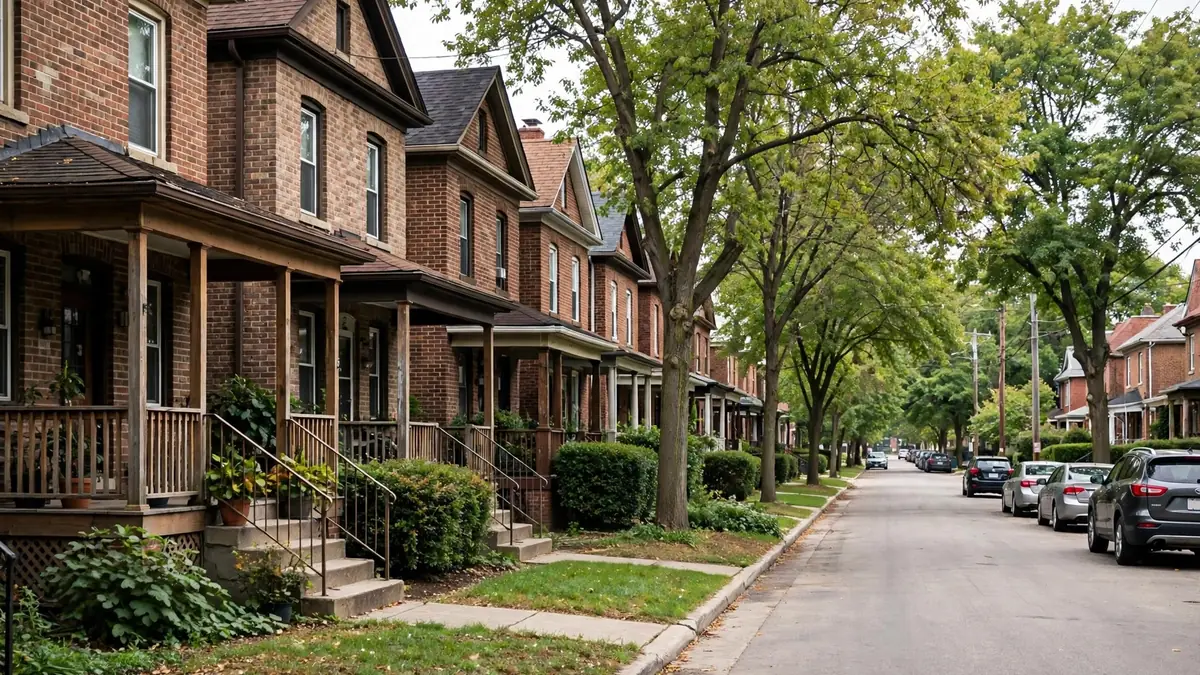
West of the lakefront towers, Edgewater changes character. Andersonville, around Clark Street, and the blocks around it have single-family homes and two- to four-story flats [2]. Many are brick or frame buildings from the early twentieth century with plaster interiors, wood floors and rear porches.
Fires in these buildings behave much like those in other North Side flats: smoke through shared stairs, water into lower units and garden apartments, and damage to wooden rear porches. Older frame houses may have balloon framing that lets smoke and fire move up inside the walls, so the attic and wall cavities deserve inspection.
Along Clark Street, mixed-use buildings with shops below and apartments above are common. A fire in a ground-floor business can send heavy residue into the apartments, and multiple insurers may be involved.
Mansions
Large older houses in Buena Park and along Sheridan Road
Buena Park has mansions and Prairie-style houses [1], and a few mansions from the 1880s to the 1920s survive along Sheridan Road in Edgewater [2]. These large houses have many rooms, open grand staircases, servants' stairs, extensive woodwork, decorative plaster and large attics.
Open stairs and large volumes let smoke spread widely, and the fine interior finishes are worth careful restoration rather than replacement. Expect a longer assessment, more contents work and more specialized cleaning for woodwork, leaded glass and plaster. Many of these houses are in historic districts, so exterior repairs may need review [3].
The visit
How a restoration visit usually goes in Uptown and Edgewater
- 1
Release, then call management
Wait for the Chicago Fire Department to release the building [4]; in larger buildings, contact management to arrange access.
- 2
Map the affected units
The contractor walks the fire unit, the stair or corridor, the units above and below, the basement and the roof.
- 3
Protect and secure
Broken windows and roof openings are covered; damaged rear porches are blocked off.
- 4
Dry the lower units
Water is extracted and drying starts in the units below the fire.
- 5
Clean shared spaces and units
Stairs, corridors and each affected unit are cleaned, with HVAC and chases included where needed.
- 6
Coordinate the paperwork
Photos and scopes go to the building's insurer and each household's insurer [5].
Renters
Tenants in Uptown and Edgewater after a fire
A large share of Uptown and Edgewater residents rent. After a fire, the landlord's insurance covers the building, but not your belongings; the Illinois Department of Insurance notes that a landlord's policy does not cover a tenant's personal property [5]. Your own renter's insurance covers your belongings and, often, extra living expenses if you cannot stay in your unit.
Document everything in your unit, even if the fire was elsewhere in the building. Smoke odor in clothing, furniture and bedding is damage. Keep receipts for meals and lodging if you are displaced. Ask your landlord in writing about the repair timeline and when you can return.
Contents cleaning is available to renters too; many smoke-damaged belongings can be cleaned rather than replaced.
First steps
First steps for Uptown and Edgewater fire situations
| Situation | First step | Then |
|---|---|---|
| Smoke in your unit from a fire elsewhere | Photograph staining and note odor | Tell management and your insurer |
| Water through the ceiling in a tower | Shut off power to wet areas; call management | Drying started promptly; document for both insurers |
| Fire in your six-flat unit | Wait for release; photograph everything | Secure the unit; owner coordinates stair and other units |
| Damaged rear porch | Do not use it | Shoring or blocking off; permitted rebuild |
| Fire in a historic house | Board up and tarp promptly | Plan exterior repairs with landmark review if designated |
Older materials
Lead, asbestos and steam heat in older lakefront buildings
Most Uptown and Edgewater buildings predate 1978, and many date from the 1910s and 1920s. Lead paint is likely, and EPA's renovation rule requires certified firms and lead-safe practices for work that disturbs painted surfaces [6]. Old boiler and pipe insulation, floor tiles and some plaster may contain asbestos and should be assessed before they are disturbed [7].
Many older buildings heat with central boilers and steam or hot-water radiators. A fire that damages the boiler room or forces the building's heat off affects every unit. In winter, protecting the plumbing from freezing becomes urgent. Radiators in smoke-affected units collect residue and release odor when heated, so they are cleaned along with the walls.
Access
Access, parking and loading in dense lakefront blocks
Parking in Uptown and Edgewater is tight, especially near the lake and around the Red Line stations. Restoration crews need room for a truck with extraction and drying equipment and sometimes a dumpster. Alley access helps for six-flats and courtyard buildings; towers usually have loading docks and freight elevators that management schedules.
When you call, mention the building type, the nearest cross streets and whether there is alley or dock access. That helps the crew arrive with the right equipment and a plan to get it inside.
Before the call
Useful details for an Uptown or Edgewater call
- Address, cross streets and building type
- Which unit burned and which others were affected
- Building management or association contact, if any
- Whether the building has a historic designation
- Whether water is still coming through ceilings
- Whether the heat and power are on
- Your insurer and claim number, if available
Coverage
Uptown and Edgewater ZIP codes covered
This page covers ZIP codes 60640, which includes most of Uptown and the southern part of Edgewater, and 60660, which covers northern Edgewater. ZIP 60613, which includes Buena Park's southern edge, is also covered and is described on our Lakeview page. ZIP 60625 to the west, covering Lincoln Square and parts of Albany Park, is covered as well.
North of Devon Avenue, Rogers Park is not part of the coverage listed on this site. Whether a given lakefront address is served depends on which contractors are taking calls there, which can shift, so the quickest check is to call.
Courtyard buildings
Courtyard buildings in Sheridan Park and Edgewater
Courtyard apartment buildings are common in Sheridan Park [1] and across both neighborhoods. Each is a U or a series of connected wings around a landscaped court, with separate entries, each serving its own stack of units. Smoke from a fire usually fills the stair of the entry where it started and seeps into the units off that stair.
Smoke and odor can also move into other entries through the shared attic or roof space, basement corridors and old ventilation shafts. A unit in a different wing can have odor even though its stair stayed clear. For that reason, the assessment should cover the whole building's attic and basement as well as the affected stack.
Many courtyard buildings here have been converted to condominiums. The association handles the shared structure, roof and common areas, and owners handle their unit interiors. Rental courtyard buildings are the owner's responsibility for the structure, with tenants covering their own belongings.
Lake effect
Lakefront weather and restoration timing
Being close to Lake Michigan brings strong winds and, in winter, heavy cold. Temporary roof tarps and window boards on lakefront buildings need solid fastening to stay in place through a windy night. Units left without heat after a fire in January can see frozen pipes within a day or two, especially on exposed corners and upper floors.
Summer humidity near the lake slows drying and makes residual smoke odor more noticeable. Restoration crews here lean on dehumidifiers and air scrubbers rather than open windows. If odor returns on a humid summer day months after a winter fire, tell the contractor; it usually means a source was missed.
Argyle and Broadway
Storefront fires along Argyle Street and Broadway
Uptown’s commercial streets, including Broadway, Lawrence, Wilson and the West Argyle Street Historic District [1], mix restaurants and shops with apartments above. Restaurant kitchen fires are a frequent cause of smoke damage in the flats overhead, leaving a greasy protein residue that spreads up stairs and through floors.
Cleanup for the apartments above a restaurant fire usually means degreasing walls, ceilings, cabinets and fixtures, cleaning shared stairs and treating odor, rather than a simple wipe-down. The business, the building owner and each residential tenant typically have separate policies, so each household should document its own damage.
FAQ
Questions from Uptown and Edgewater residents
A fire in another unit left my apartment smelling of smoke. Is that covered?
Smoke damage to your belongings is usually a renter's or unit-owner insurance matter, while the building handles common areas and structure. Document the odor and staining and tell your insurer and management.
Water came through my ceiling from a fire several floors up. What should I do?
Turn off power to the wet area if you can safely, keep away from sagging ceilings, photograph the damage and notify building management and your insurer. Drying should start as soon as possible.
My building is in a historic district. Can I still board up the windows right away?
Yes. Temporary protection should go ahead promptly. Permanent exterior repairs on designated Chicago landmarks or in landmark districts may need review as part of the permit.
How does a fire in one six-flat unit affect the others?
Smoke usually fills the central stair and enters every unit off it, and water flows into the units below. The whole building usually needs assessment.
Who decides on repairs in a co-op apartment hotel?
The co-op board usually controls repairs and the master insurance policy. Ask the board how damage to unit interiors is handled.
Can terracotta facades be damaged by a fire?
Heat and water from firefighting, followed by freezing, can crack or spall terracotta. Repairs need historic masonry specialists.
Is Rogers Park covered?
Rogers Park, north of Devon Avenue, is not part of the coverage listed on this site. Uptown and Edgewater ZIP codes 60640 and 60660 are covered.
The restaurant below my Uptown apartment had a kitchen fire. What should I expect?
Expect a greasy, strong-smelling residue in your unit that needs degreasing and odor treatment. Photograph everything, notify your landlord and your renter’s insurer, and keep receipts if you need to stay elsewhere.
Sources and citations
- [1]Wikipedia — Uptown, Chicago
- [2]Wikipedia — Edgewater, Chicago
- [3]City of Chicago — Commission on Chicago Landmarks
- [4]Ready.gov — Home fires
- [5]Illinois Department of Insurance — What to do after an insured homeowners loss
- [6]U.S. EPA — Lead Renovation, Repair and Painting Program
- [7]U.S. EPA — Protect your family from exposures to asbestos