Key facts: Lakeview
- Lake View is Chicago Community Area 6, running from Diversey Parkway north to Irving Park Road and Montrose Avenue, and from Ravenswood Avenue east to Lake Michigan [1].
- Lake View was annexed to Chicago in 1889, during a building boom that produced more than 40% of the buildings standing today [1].
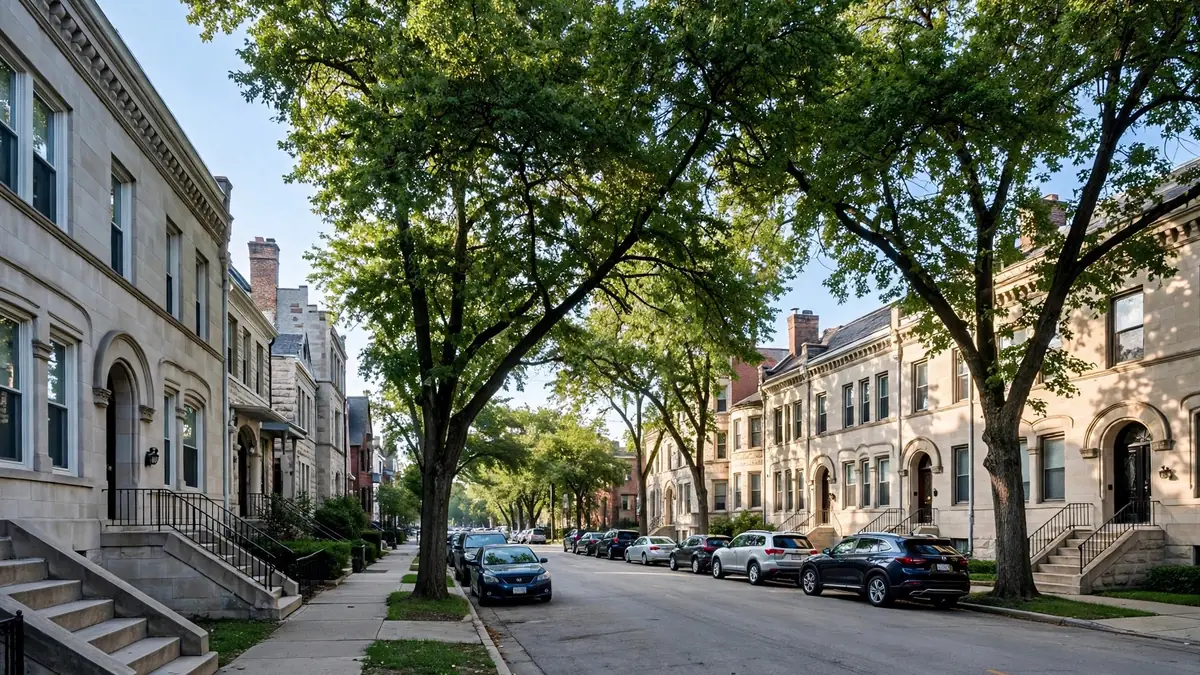
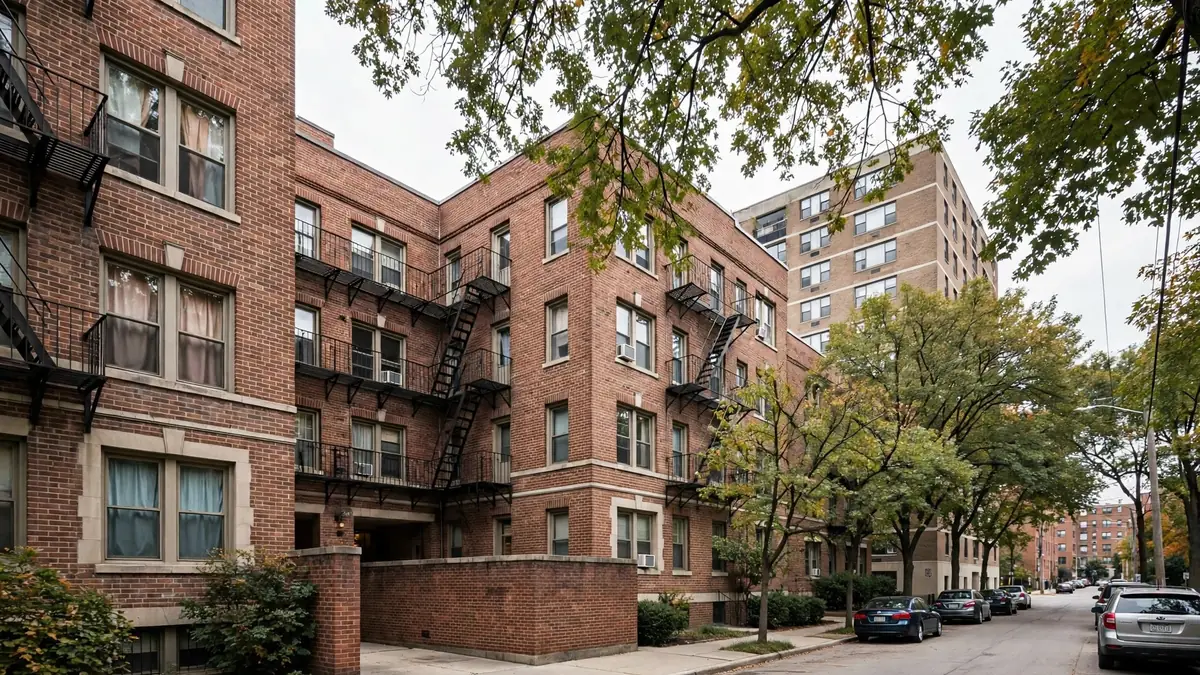
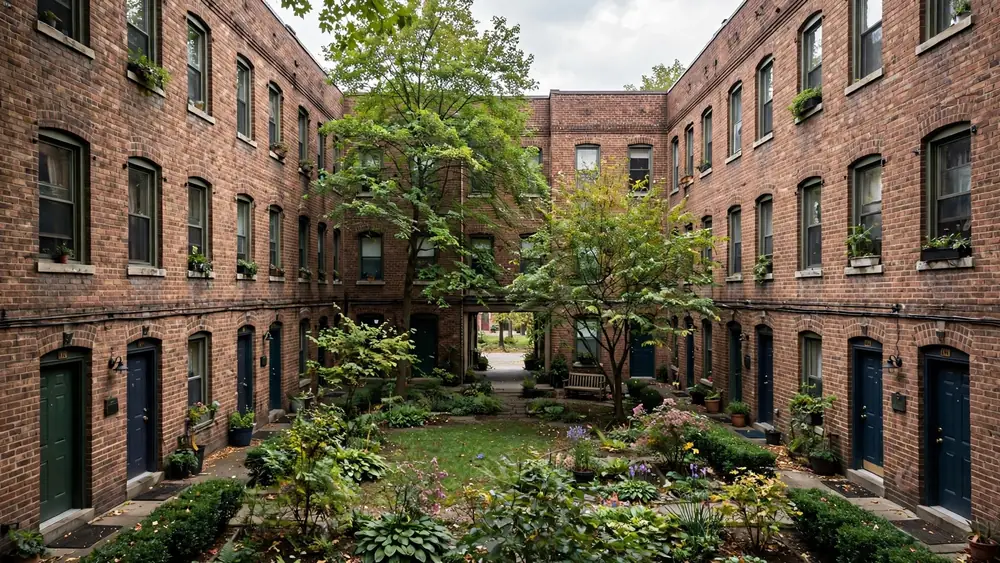
- U-shaped vintage courtyard buildings line the side streets between Lake Shore Drive and Broadway, with high-rises along the drive [1].
- The Lakeview Historic District is on the National Register, and Newport Avenue and Oakdale Avenue have their own historic designations [1].
- Illinois insurance guidance says to make temporary repairs, document damage and keep damaged items for the adjuster [2].
Covered here
Lakeview neighborhoods covered
Calls from these parts of the Lake View community area, in ZIP codes 60657 and 60613, are covered by the contractors you reach through this site.
- Lakeview EastCourtyard buildings, vintage walk-ups and lakefront towers between Broadway and the lake.
- NorthalstedGreystone and brownstone walk-ups and mixed-use buildings along Halsted Street.
- WrigleyvilleFrame houses, two-flats and three-flats around Clark and Addison.
- West Lakeview and the Southport CorridorSingle-family houses, two-flats and newer infill west of Ashland.
- Graceland West and South East RavenswoodSmaller residential blocks near the western edge of the community area.
Lakeview homes
What Lakeview's buildings are like
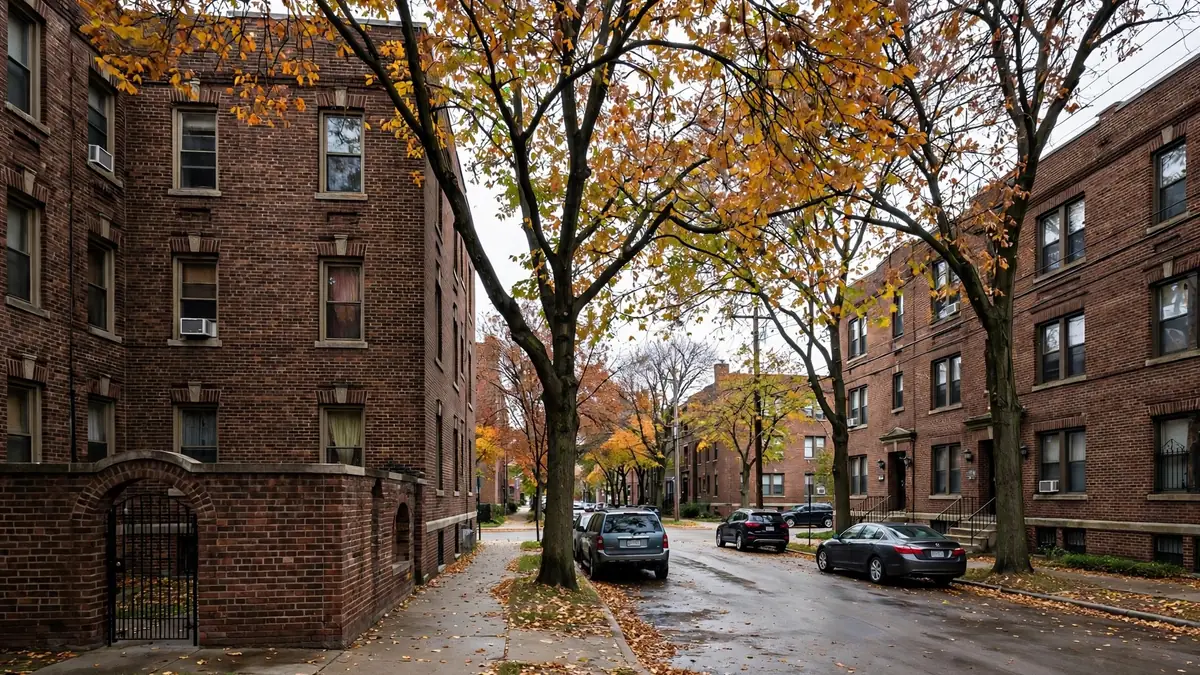
Lake View started as a township north of the city, settled in the 1830s and chartered in the 1850s. It was absorbed into Chicago in 1889, and the real estate boom around that time built more than forty percent of the buildings that still stand [1]. That gives the neighborhood a large stock of buildings well over a century old, mixed with infill from every decade since.
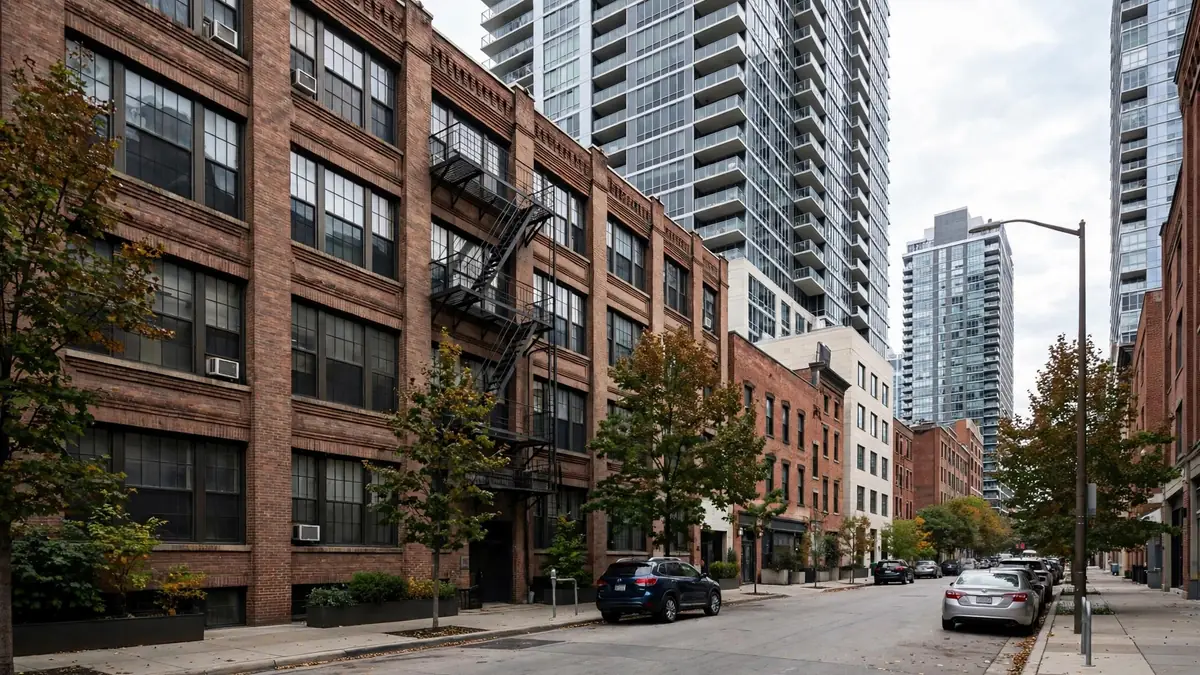
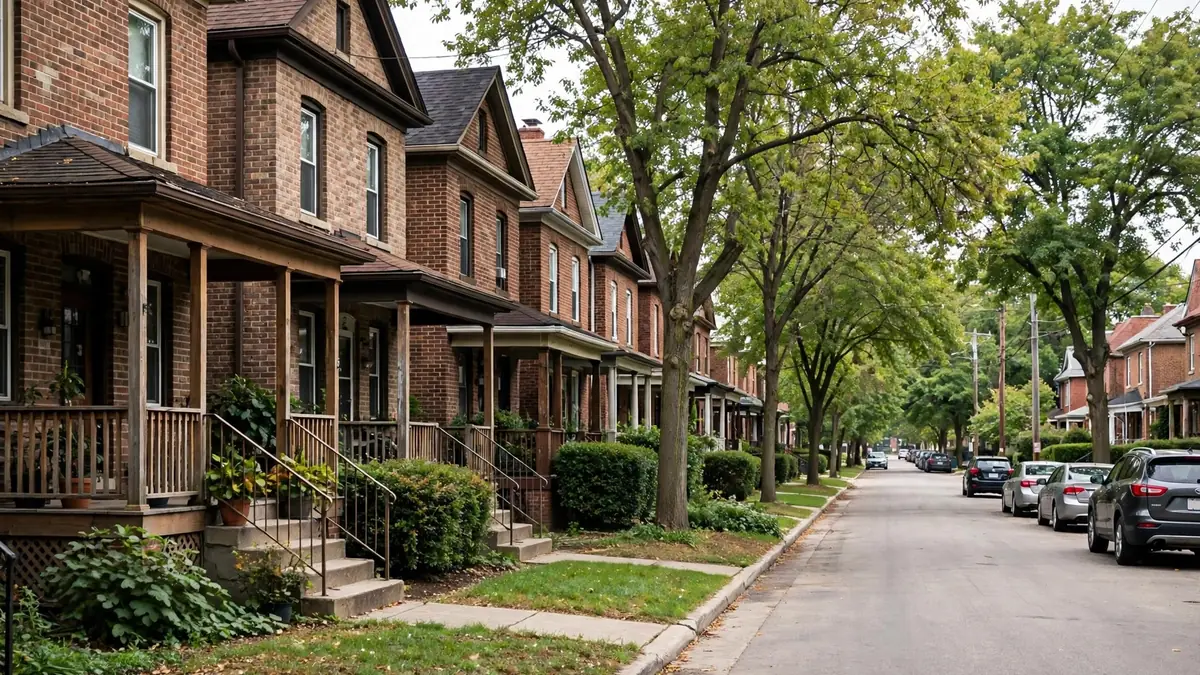
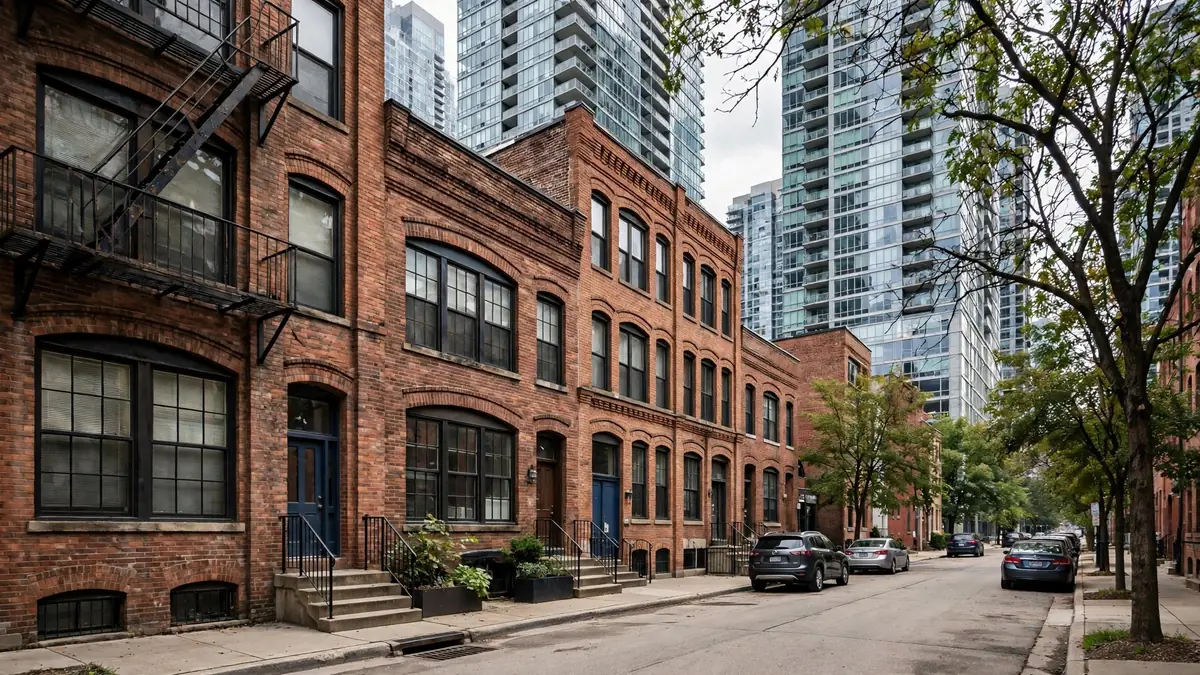
The housing changes block by block. On the side streets between Lake Shore Drive and Broadway, U-shaped vintage courtyard buildings wrap around landscaped yards [1]. Along Lake Shore Drive itself, high-rise condominiums and rental towers dominate. In Northalsted, greystone and brownstone walk-ups line the side streets [1], and in Central and West Lakeview and Wrigleyville you find low-rise apartment buildings, two-flats and houses [1].
Each of those building types burns, smokes and floods differently. A courtyard building has dozens of units off shared stairwells. A greystone walk-up stacks two or three units with front and rear stairs. A frame house in Wrigleyville may have balloon framing with open cavities from basement to attic. A tower has compartmented units, corridors and building-managed fire systems. Restoration in Lakeview starts with knowing which of these you live in.
Common calls
Fire damage situations Lakeview residents call about
Kitchen fire in a courtyard unit
A stovetop fire that stayed in one apartment but sent smoke into the stairwell and neighboring units.
Water in the unit below
Hose water from an upper-floor fire running through ceilings into a garden or first-floor apartment.
Smoke through a shared stair
Residue and odor in every unit off a walk-up's front or rear stair after a fire on one floor.
Rear porch fire
Fires on the wooden back porches common on two-flats and three-flats, which can spread to the rear of every unit.
Condo smoke from a neighbor
Smoke drawn through corridors, chases or ventilation in a lakefront tower from a fire in another unit.
Electrical fire in an older house
Fires in older wiring in vintage houses, often hidden inside walls before they are noticed.
Courtyard buildings
How smoke moves through a Lakeview courtyard building
A courtyard building is really several walk-ups joined in a U. Each entry has its own stairwell serving a vertical stack of apartments, and the stacks share walls, attic or roof space and sometimes basement areas. Smoke from a fire in one apartment usually fills that entry's stairwell first, then seeps into the other units on that stair through door gaps and mail slots.
Smoke also travels through vertical plumbing chases, old ventilation shafts and the attic or cockloft above the top floor. Units in a different entry can end up with odor even if their stairwell stayed clear. A thorough assessment looks at every unit in the affected stack, the stairwell, the basement and the roof space, not just the apartment that burned.
Water follows the stack downward. A fire on the third floor often leaves the first-floor and garden units below with wet ceilings and walls. Because these buildings are often condominiums or rentals, the owner or association, each unit owner and each tenant may all have different insurance. Clear photographs from the start make it easier for everyone to sort out who handles which repairs [2].
Walk-ups
Greystone and brownstone walk-ups in Northalsted
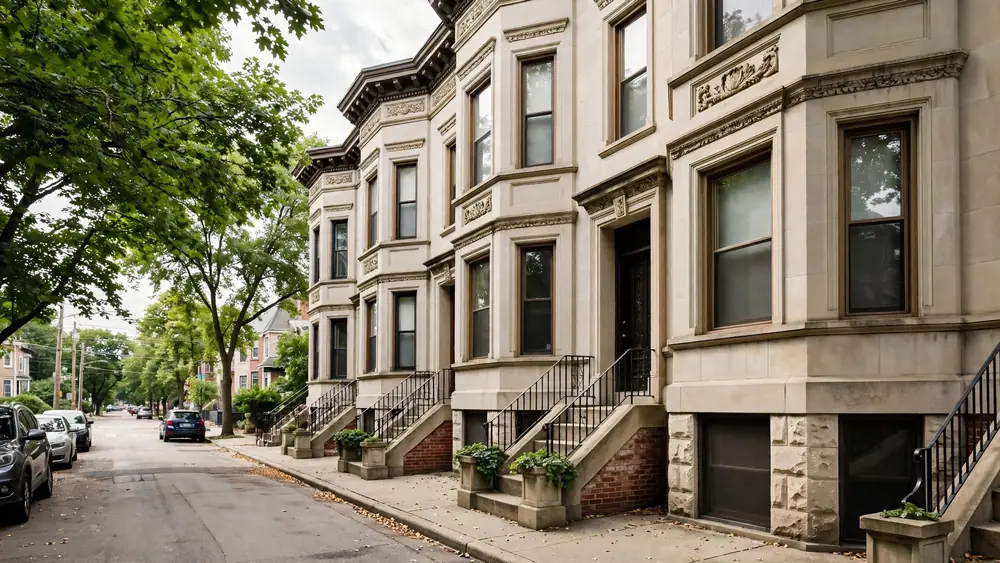
Northalsted's side streets have many greystone and brownstone walk-ups [1]. Greystones were built in Chicago from the 1890s into the 1930s, with limestone fronts quarried in Indiana and usually two or three flats behind them [3]. Behind the stone face, the structure is typically brick and wood framing, with plaster interiors, wood floors and wooden rear porches.
A fire in one flat affects the others through the shared front and rear stairs. The rear porch and stair are a particular concern: they are usually wood, exposed to the alley, and they are the second way out for every unit. Fire damage there may leave units without a safe secondary exit until it is shored or rebuilt.
The limestone front itself often survives a fire, but smoke can stain it, and the wrong cleaner can damage the stone. Masonry cleaning on a greystone facade should be done with methods suited to limestone, not aggressive pressure washing.
Wrigleyville and West Lakeview
Two-flats and frame houses west of Clark
West of Clark Street, through Wrigleyville and into West Lakeview and the Southport Corridor, the housing shifts toward two-flats, three-flats and single-family houses, many of them frame, mixed with newer construction. Older frame houses may have balloon framing, in which wall studs run continuously from the foundation to the roof. That creates open channels inside the walls, and fire and smoke can travel up them from the basement to the attic without crossing a room.
When a contractor inspects one of these houses, expect them to check the attic and the tops of interior walls even if the fire started in the basement. Smoke residue in those cavities is a common cause of lingering odor. Opening walls in a house of that age also means testing for lead paint and possibly asbestos before demolition [4][5].
Near Wrigley Field, game days and events bring crowds and limited parking. If a crew needs to bring in a truck or a dumpster, ask about timing and whether a street-use arrangement is needed.
Lakefront towers
Condo and rental towers along Lake Shore Drive
The high-rises along Lake Shore Drive in Lakeview East house a large share of the neighborhood's residents [1]. In a tower, a fire is usually confined to one unit by the building's construction, but smoke can reach the corridor, neighboring units and the floors above through doors, shafts and ventilation, and water from firefighting or sprinklers can reach several floors below.
Restoration in a tower is a joint effort. The building's management or association controls the corridors, the elevators, the loading dock and the building systems. Unit owners usually handle their interiors and contents, while the association handles common areas and the structure, depending on the declaration. Contractors usually need approval and proof of insurance before working in the building.
Ask management early who to coordinate with, which freight elevator to use and when, and whether the building has its own preferred vendors for common-area work. You still choose who works inside your unit.
By building type
Lakeview building types and how fire damage behaves in each
| Building type | Where smoke goes | Where water goes | Who coordinates |
|---|---|---|---|
| Courtyard building | Stairwell of the affected entry, chases, attic | Units below in the same stack | Owner or association plus unit owners and tenants |
| Greystone or brownstone walk-up | Front and rear stairs, other flats | Lower flats and garden unit | Owner; tenants for contents |
| Frame house or two-flat west of Clark | Wall cavities, attic, other unit | Basement and lower unit | Owner, or each owner if condo-converted |
| Lakefront high-rise | Corridor, adjacent units, shafts | Several floors below | Management or association with unit owners |
| Mixed-use on Broadway, Clark or Halsted | Upstairs apartments and storefront | Storefront ceiling and basement | Owner, commercial tenant and residents |
Landmarks
Historic districts and landmark buildings in Lakeview
Parts of Lakeview carry historic designations. The Lakeview Historic District in the southeastern part of the community area appears on the National Register of Historic Places, and the Newport Avenue District and the one-block Oakdale Avenue District have their own recognition, with Oakdale designated a Chicago landmark area [1].
If your building is a designated Chicago landmark or sits in a Chicago landmark district, exterior repairs after a fire, such as new windows, masonry work or porch changes visible from the street, may need review by the Commission on Chicago Landmarks as part of the permit process [6]. Interior cleaning does not, and National Register listing on its own generally does not restrict a private owner's repairs.
Tell your contractor if your building has a designation so they can plan exterior work that matches the original materials and allow time for any review.
Renters
Renting in Lakeview after a fire
Much of Lakeview's housing is rental. After a fire, the building owner is responsible for the structure and common areas, and their insurance covers the building. Your belongings are covered only by your own renter's insurance; the Illinois Department of Insurance points out that a landlord's policy does not cover a tenant's personal property [2].
If your unit is not livable, contact your renter's insurer about additional living expenses, keep every receipt, and ask your landlord how they will communicate repair timelines. Document your belongings room by room before anything is moved, and keep damaged items until your insurer has seen them [2].
Contents cleaning for renters works the same way as for owners: clothing, furniture and keepsakes can often be cleaned or packed out while the building is repaired. Ask the contractor whether they work with renter's insurance claims.
Condo owners
Condominium owners and associations in Lakeview
Many courtyard buildings, walk-ups and towers in Lakeview have been converted to condominiums. In a condo, responsibility is usually split by the declaration: the association handles common elements such as the structure, roof, stairs, exterior walls and shared systems, while each owner handles their unit's interior finishes and contents. The exact line varies by building, so read your declaration or ask the board.
After a fire, the association's insurance and each owner's policy may both be involved. The fastest recoveries happen when the board, the owners and the restoration contractor share photos and a single plan for drying and cleaning, rather than each owner hiring separately and leaving shared spaces untouched.
The visit
How a restoration visit usually goes in Lakeview
- 1
Fire department release
Nobody enters until the Chicago Fire Department has released the building and utilities are confirmed safe [7].
- 2
Access and parking
The crew plans truck access, alley use or a freight elevator, especially near Wrigley Field or on busy lakefront streets.
- 3
Whole-building walk-through
The contractor checks the affected unit, the stairwell or corridor, units above and below, the basement and the roof space.
- 4
Secure the openings
Broken windows, forced doors and roof vents are boarded or tarped.
- 5
Stabilize water and air
Water is extracted, drying equipment set up and HEPA air scrubbers started.
- 6
Written scope
A scope covering cleaning, drying, removal and repairs goes to you and your insurer before major work starts [2].
Access
Parking, alleys and getting equipment into Lakeview buildings
Lakeview's density makes logistics part of the job. Side streets are often permit-parking only, and alleys behind walk-ups and courtyard buildings are narrow. Restoration crews bring trucks with extraction equipment, drying gear, packing materials and sometimes a dumpster for debris.
Help the crew by telling them which streets are easiest, whether there is alley access to the rear of the building and whether the building has a loading area. In towers, freight elevator time usually has to be reserved. On Cubs game days and during street festivals, plan around road closures.
Permits
Repair permits for Lakeview fire damage
Lakeview is inside the City of Chicago, so permits for repair work after a fire go through the Chicago Department of Buildings [8]. Cleaning, drying and contents work generally do not need permits. Repairs that replace structure, wiring, plumbing, windows, porches or roofing usually do.
Rear porch rebuilding is a common Lakeview example, since many walk-ups and two-flats have wooden porches that were damaged. Ask your contractor which parts of the scope need permits and who will apply for them. In landmark districts or on designated buildings, exterior work may need additional review [6].
Many repair jobs also involve a City of Chicago licensed general contractor and licensed trades; ask to see the relevant licenses before work begins.
First steps
Lakeview fire situations and what to do first
| Situation | First step | Then |
|---|---|---|
| Fire in your courtyard unit | Wait for release, photograph everything | Tell the owner or association; secure the unit |
| Smoke odor from a neighbor's fire | Photograph staining and note where odor is strongest | Tell management and your insurer; ask about stairwell cleaning |
| Water through your ceiling | Stay out from under sagging ceilings; shut off power to wet areas | Photograph and start drying quickly |
| Damaged rear porch | Do not use it | Shoring or blocking off, then a permitted rebuild |
| Smoke in a lakefront condo | Contact building management | Coordinate cleaning of your unit and shared areas |
Older homes
Lead paint, asbestos and old wiring in pre-war Lakeview buildings
With so many Lakeview buildings dating from around the 1889 annexation boom and the decades after it [1], hazardous materials are a routine part of fire restoration here. Lead paint is likely in buildings built before 1978, and EPA's renovation rule requires certified firms and lead-safe practices for work that disturbs painted surfaces in those homes [4].
Older pipe and boiler insulation, floor tiles and some plaster can contain asbestos. EPA advises that intact material is best left alone and that damaged or to-be-disturbed material should be checked by a trained professional [5]. Fire can damage these materials, so testing before demolition protects both your family and the crew.
Old wiring is another factor, and it is sometimes the cause of the fire. Any electrical system exposed to fire or water should be inspected by a licensed electrician before power is restored.
Climate
Lake winds, winter cold and Lakeview restoration
Lakeview sits along Lake Michigan, and lakefront weather affects restoration. Strong winds off the lake can tear poorly secured roof tarps and drive rain through boarded windows, so temporary covers need to be fastened well. In winter, a building left without heat after a fire can freeze its pipes quickly, adding water damage to smoke damage.
Summer humidity near the lake slows drying and can reactivate smoke odor in porous materials. Drying crews rely on dehumidifiers rather than open windows on humid days.
Before the call
What to have ready when you call about a Lakeview fire
- Your address and the building type: courtyard, walk-up, two-flat, house or high-rise
- Which unit burned and which other units were affected
- Whether the Chicago Fire Department has released the building
- Whether windows, doors or the roof are open
- Where water went and whether it is still dripping
- Your insurer and claim number, if you have one
- Who manages the building, if you rent or own a condo
Coverage
Lakeview ZIP codes covered by this service
This site connects callers in Lakeview ZIP codes 60657 and 60613 with independent restoration contractors who accept work there. ZIP 60613 also covers the southern edge of Uptown around Buena Park, which is covered on our Uptown and Edgewater page.
Lakeview coverage reflects the contractors who accept work in these two ZIP codes and is kept current as that changes. If your block is near a boundary, the call will confirm it. To the south, the Lincoln Park community area is a separate area not listed on this site.
FAQ
Questions from Lakeview residents
My Lakeview apartment smells of smoke after a fire in another unit. Who handles the cleanup?
Usually the building owner or condo association handles the stairwell, common areas and structure, while you handle your belongings through your own renter's or unit-owner insurance. Tell management and your insurer, and photograph any staining.
Why is the unit below mine wetter than mine after the fire?
Firefighting water runs down through floors and ceilings. In courtyard buildings, walk-ups and towers, the units below a fire often take most of the water.
Do I need a permit to rebuild my rear porch in Lakeview?
Porch rebuilding in Chicago is permitted work through the Department of Buildings. Ask your contractor to confirm and handle the application.
My building is in a Lakeview historic district. Does that change the repairs?
Interior cleaning is not affected. Exterior repairs on designated Chicago landmarks or in Chicago landmark districts may need Commission on Chicago Landmarks review as part of the permit.
Can smoke travel through the walls of an old Lakeview frame house?
Yes. Older frame houses may have balloon framing with open cavities from the basement to the attic, which carry smoke and fire up inside the walls.
How do restoration crews work around Wrigley Field game days?
Crews plan truck access and parking around game schedules and street closures. Mention your location when you call so they can plan.
Is the limestone front of my greystone damaged by smoke?
Smoke can stain limestone, but it can usually be cleaned with methods suited to the stone. Avoid acidic cleaners and harsh pressure washing.
What areas near Lakeview are also covered?
Uptown and Edgewater to the north are covered on their own page, along with Logan Square to the west and River North and Streeterville to the south.
Sources and citations
- [1]Wikipedia — Lake View, Chicago
- [2]Illinois Department of Insurance — What to do after an insured homeowners loss
- [3]Wikipedia — Greystone (architecture)
- [4]U.S. EPA — Lead Renovation, Repair and Painting Program
- [5]U.S. EPA — Protect your family from exposures to asbestos
- [6]City of Chicago — Commission on Chicago Landmarks
- [7]Ready.gov — Home fires
- [8]City of Chicago — Department of Buildings permits