
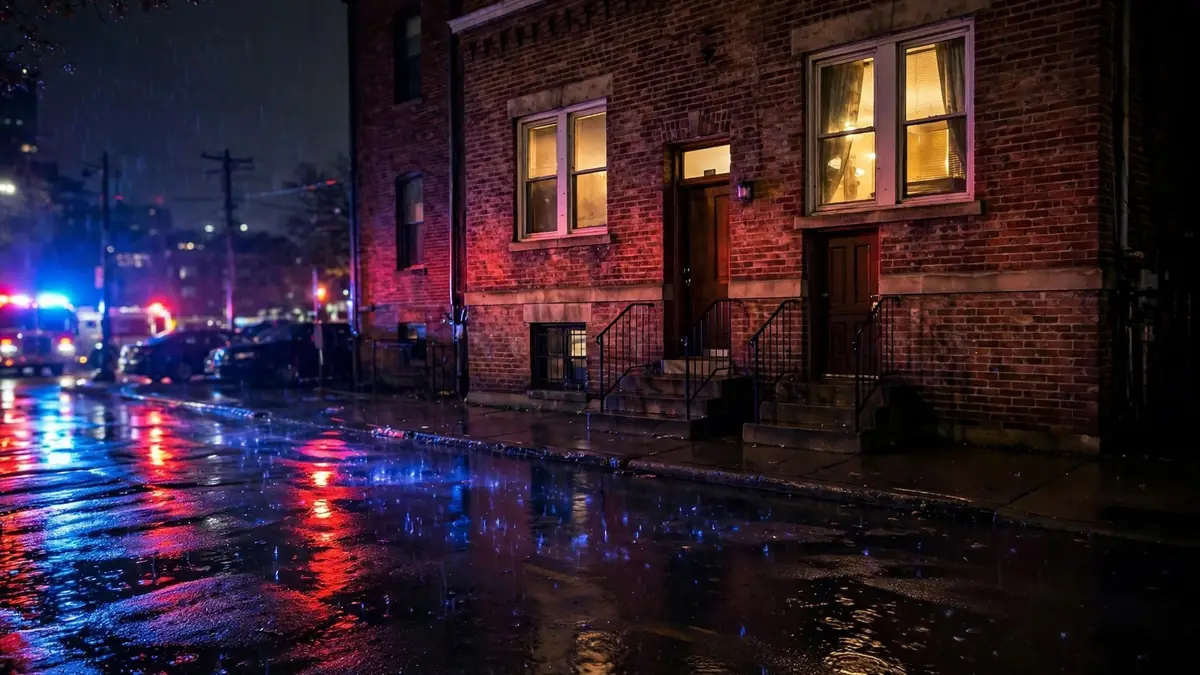
Key facts: Emergency Fire Damage Service
- During a fire, leave the home and call 911; stay low under smoke on the way out [1].
- Ready.gov says to check with the fire department that the home is safe to enter, and not to reconnect utilities yourself [1].
- Illinois guidance says to contact your insurer as soon as possible and to make temporary repairs even before the adjuster visits [2].
- An independent contractor can be reached by phone 24 hours a day, 7 days a week, including holidays.
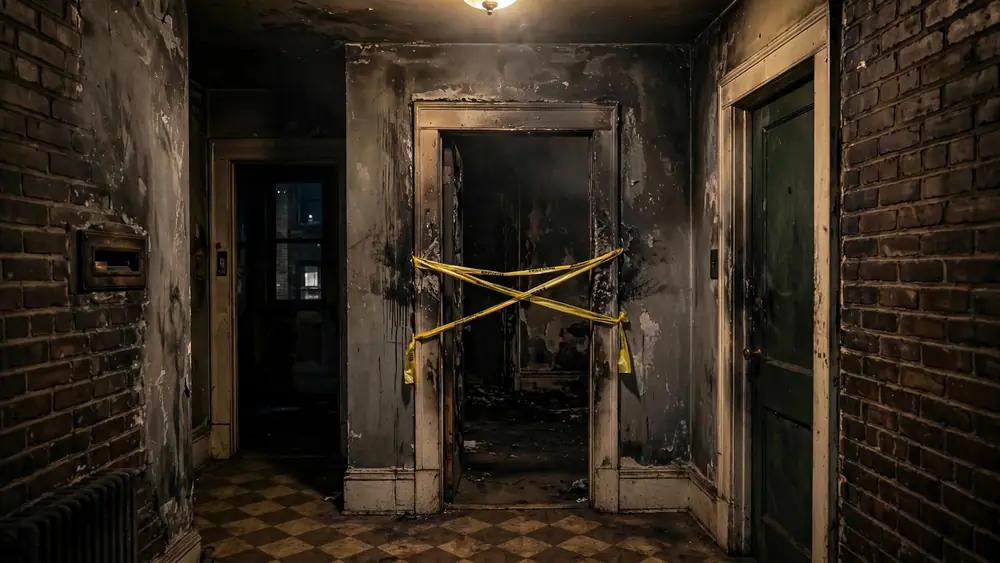
Going back in
The fire department decides when you may re-enter
A blackened room is rarely the only danger. Embers can hide in a wall, floors may have lost strength, and gas or electric service may be in an unknown state. Ready.gov tells residents to check with the fire department that the home is safe to enter before going inside [1]. Before the crew leaves, ask the officer directly: may anyone go in, which rooms are off limits, and are the utilities safe or disconnected?
Write the answers down along with the time and the name of whoever gave them. Should the officer say no, take that as final for tonight, even if your unit looks untouched from the stairs. If you are told a short visit is fine, keep it brief. Grab medication, identification, glasses and a phone charger, then step back out. The stay-or-go guide can help you weigh a longer stay later on.
On the sidewalk
Your first half hour outside the building
Count heads first. Anyone who breathed smoke, is coughing, feels dizzy or has a burn should tell the paramedics at the scene or call 911, because smoke injuries do not always announce themselves at once. Pets that were inside deserve a veterinarian's look too.
Next, get warm and get a phone working. A Chicago night in January can be dangerous for someone standing outside in socks, so a neighbor's front room, a relative's car or the lobby of the next building is a better place to make calls. Once you have a seat, start one note on your phone with times, names and report details. You will be asked for those details repeatedly in the coming days, and tired memory is unreliable.
If nobody can take you in tonight, a disaster relief service such as the Red Cross can help with temporary housing, food and medicine [1].
In order
Calls to make once everyone is safe
- 1
Household and building
Reach family, then your landlord, condo board or building management.
- 2
Your insurer
Report the loss and ask about emergency help and temporary housing.
- 3
A restoration contractor
Ask about securing the building and removing water.
- 4
Utilities, if needed
Leave reconnection to officials and the utility. Do not reset anything yourself.
On the phone
What to say when the contractor answers
You do not need restoration vocabulary. Calls to this line go to an independent contractor, not to a crew employed by this website, so give that person a plain picture of the night. Start with the address and nearest cross street, then the type of building: bungalow, two-flat, six-flat, courtyard building or tower. Say which floor burned, whether other units were touched, and whether the fire department has released the home.
Then mention what is open and what is wet. Broken front windows, a cut roof, a forced door or water dripping into the unit below all change what needs doing first. Say whether you own or rent, who manages the building, and whether a claim has been opened. Ask the questions that matter to you: what can be done tonight, what must wait for morning, who will be responsible for each job, and what paperwork you will receive. Take the contractor's name and company name before you hang up. You are also free to speak to your adjuster before agreeing to larger work.
Sorting the night
What cannot wait until tomorrow, and what can
Three problems belong to tonight. The first is safety: the home has not been cleared, or you smell gas. If gas is the worry, leave and call 911 and Peoples Gas from outside [3]. The second is an open building, because rain, snow and strangers do not wait for office hours. Illinois guidance says temporary repairs such as boarding windows and patching roof holes should happen as soon as possible, even before you see a company representative [2]. See the emergency board-up page if that is your situation. The third is standing water, covered on the firefighting water page.
Plenty can safely wait for daylight: choosing what to keep, wiping walls, sorting closets, comparing rebuild plans and arguing about whose policy pays for what. Sleep before you make those decisions. Morning light also makes much better photographs than a flashlight does.
Tomorrow morning
The next day's short list
Photograph every affected room from the doorway before anything gets moved or cleaned, assuming officials have allowed entry [2]. Open a folder for bills and receipts, and include the sandwich you bought at midnight along with the plywood, since Illinois guidance asks you to keep records of repairs and living expenses [2]. Ask your insurer about additional living expenses and any limit on hotel stays [2].
Hold on to damaged items of value until the adjuster has looked at them [2]. It is tempting to clear the mess, particularly in a shared stair or gangway, but a pile at the curb is hard to document afterward. Wet areas are the exception to patience: EPA advises drying wet materials within 24 to 48 hours to prevent mold [4], so ask early when drying can begin. For how the claim itself usually runs, read working with your adjuster.
Shared walls
When the fire started in another Chicago unit
Much of Chicago lives stacked: two-flats, three-flats, courtyard buildings and towers. A fire two floors away can leave you with a wet ceiling, a smoky closet or no heat, while your neighbor has lost everything. Several insurers may become involved, typically one for each household's belongings and another for the building or association.
Swap phone numbers with neighbors tonight if you can, and find out who speaks for the building. Renters should notify the landlord immediately and contact their own renters insurer, because the owner's policy may not reach personal belongings. Condo owners should ask the association what it handles and what falls to them. Check the back of the building as well. If the rear porch or stairs were damaged, your unit may have lost its second exit, and that is a fair reason to sleep elsewhere even when your rooms look fine.
Winter
A cold-weather fire adds a second clock
Firefighters may leave a building without working heat, and the water they used is still sitting in its walls. During a hard Chicago cold snap, plumbing in that building can freeze, then split, then flood the place again once it thaws. Mention the heat situation on your first call and ask a plumber how the pipes will be protected. Do not relight a furnace or boiler on your own: heating equipment that was exposed to fire or water needs checking first, and only officials or the utility should deal with reconnected service [1].
If you get a brief visit
Five things worth carrying out
- Prescription medicine that was stored away from heat and smoke
- Wallet, identification and insurance details
- Glasses, hearing aids and mobility equipment
- Phone, charger and house keys
- Warm clothes from a closet that smoke did not reach
FAQ
Questions from the first night after a fire
The fire is small and seems out. Do I still call 911?
Yes. Fire can keep burning inside walls and ceilings where you cannot see it. Get out and let firefighters check.
Is the phone line open overnight and on holidays?
Yes. It operates 24 hours a day, 7 days a week, including holidays, and connects you with an independent contractor who can talk through timing for your job.
Should I call the insurer before the contractor?
Either order works once everyone is safe. Illinois guidance favors prompt contact with your insurer, and it does not ask you to leave a building open while you wait for an adjuster [2].
May I sign something tonight?
Securing an open building is one thing. For major repairs, Illinois guidance suggests getting your adjuster's agreement before contracting [2], so read carefully and ask what any form covers.