
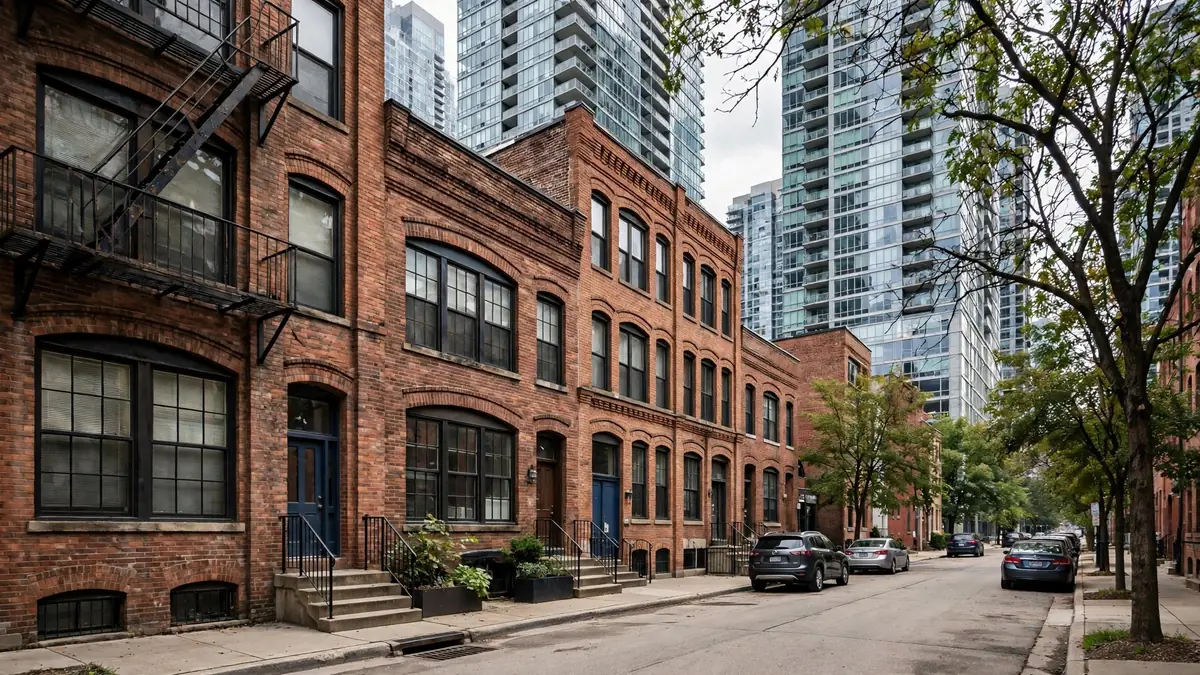
Key facts: Contents Cleaning and Pack-Out in River North and Streeterville
Art
Art, antiques and collections
Smoke residue is acidic and damages art, fabrics and finishes over time; water ruins them quickly. These items go to conservators. Many policies limit coverage for valuables unless separately insured [1], so check yours.
Towers
Freight elevators and docks
Tower pack-outs run on freight elevator and dock bookings set by management. Corridors and cabs are padded.
Mansions
Mansion contents
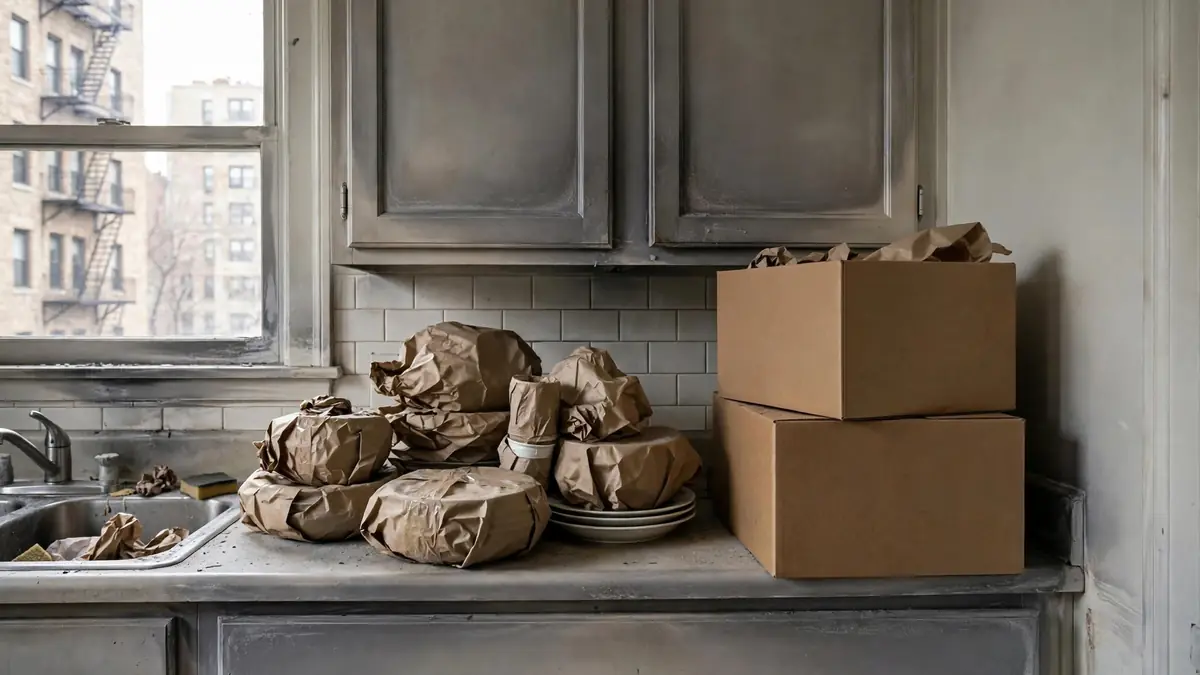
Large homes mean large inventories. Crews work room by room, labeling and photographing everything.
Keep with you
What to take before a pack-out
- Medications and glasses
- Identification and documents
- Jewelry and small valuables
- Work essentials
- Pet supplies
Second homes
Owners who are away
Many units are second homes. Management can grant access, and the inventory is shared with the owner remotely.
What cleans
What usually cleans well
Dishes, glass, metal and solid furniture clean well; clothing usually responds to smoke laundering; electronics need specialists.
Inventory
Your inventory
The crew's list is the core of your contents claim [1].
Pack-back
Bringing it back
Items return after the home is clean and odor-free.
Logistics
Moving belongings out of a tower
A pack-out from a Streeterville or Gold Coast tower depends on the freight elevator. Boxes and furniture have to travel through corridors on a schedule set by management, often with floor protection and limits on hours. The crew usually needs to register before the first box moves. Ask management early, since a booked elevator can decide which day the work starts. If your unit is a second home, tell management who is authorized to approve what leaves.
Walk-ups and row houses have the opposite problem: no elevator and narrow, turning stairs. Large pieces may have to be taken through a rear door to the alley, and some older furniture was brought in before later renovations changed the stair. A crew should measure before promising to move it in one piece.
Inventory
Why the list comes first
Every item that leaves should be listed and photographed, room by room, before it goes. The list protects you in two ways. It tells you where everything is during weeks of cleaning, and it supports your claim if something cannot be restored. Check the list against what you remember while it is fresh, and add notes about age and where you bought items if you know them. Renters should remember that their belongings are covered by their own renter's policy, not the landlord's.
Materials
What usually comes back
Hard items such as glass, metal, ceramic and sealed wood usually clean well. Clothing and linens often respond to specialized laundering or dry cleaning, particularly when treated soon. Upholstery, mattresses and paper need a closer look, especially if they took on water as well as smoke. Food, medicines and cosmetics exposed to heat, smoke or water are generally thrown away. Electronics should be checked by someone qualified before they are switched on, because residue can damage them and they can be unsafe. Ask for a clear list of non-restorable items and take photos before anything is discarded.
Restaurants
Homes above a kitchen fire
Residents above a River North restaurant fire often find a sticky film on everything. Greasy protein residue can be hard to see but has a strong smell, and it needs different cleaning from dry soot. If your home is above a commercial kitchen, tell the crew, because soft goods and closets may need treatment even when the rooms look fine. The business, the building owner and each residential tenant usually have separate insurance, so keep your own records.
Keep with you
What to take before the pack-out
- IDs, passports and important papers
- Medication and medical equipment
- Keys, chargers and work laptop
- Jewelry and small valuables
- Enough clothing for your stay elsewhere
- Pet supplies and records
Return
Bringing everything home
Contents usually come back only after the unit has been cleaned, repaired and cleared of odor, or they can pick up residue again. Check returned items against the inventory, room by room, and note anything missing or still smelly before you sign. Book the freight elevator for the return as well. Ask how long items can stay in storage, and how the storage space is kept clean and dry.
Second homes
When you are out of town
Part-time owners are common here, and some learn of a fire days afterward. If that is you, ask management for photos and arrange written permission for a contractor before anything moves. A video walk-through can stand in for your presence during the inventory, and it gives you a chance to name the items that matter most. Ask for the inventory to be sent to you as it is built, rather than at the end. That way you can raise questions while the boxes are still labeled by room.
Sorting
Deciding what is worth cleaning
A sentimental item may be worth cleaning even when replacing it would be easier. Tell the crew about family photos, letters, instruments and heirlooms at the start, so they are not treated as ordinary contents. Paper and photographs soaked by sprinkler water may be frozen until a specialist can treat them, so do not let them sit in a wet pile. Ask your insurer before discarding anything of value, and keep a sample or a photo of non-restorable items.
Shared space
Lobbies, corridors and neighbors
Moving smoky contents through a lobby or corridor can spread residue and smell. Crews normally wrap or box items in the unit before moving them, and they use the service route instead of the front door. Let close neighbors know the schedule. Courtesy goes a long way when corridors will be busy for several days.
Storage
Where your things go
Ask where belongings will be kept, whether the space is climate controlled and who can visit it. If you need something from storage, such as winter coats or school papers, ask how quickly it can be retrieved. Keep a copy of the inventory on your phone.
Before anything returns, confirm the unit is finished and the freight elevator is booked. Bringing boxes back to a tower too early can mean a second move, and fresh residue on items that were already clean and ready to use.
FAQ
Near North pack-out questions
How are art and antiques handled?
They go to conservators; point them out at the walk-through.
Is my art fully insured?
Many policies limit coverage for art unless separately insured; check yours.
Can a pack-out happen while I am away?
Yes, with management access; the inventory can be shared remotely.
How long are belongings in storage?
Weeks to months.
Does my landlord's insurance cover my belongings?
No. That falls to your own renter's policy.
When do belongings come back?
After the home is clean and odor-free.