
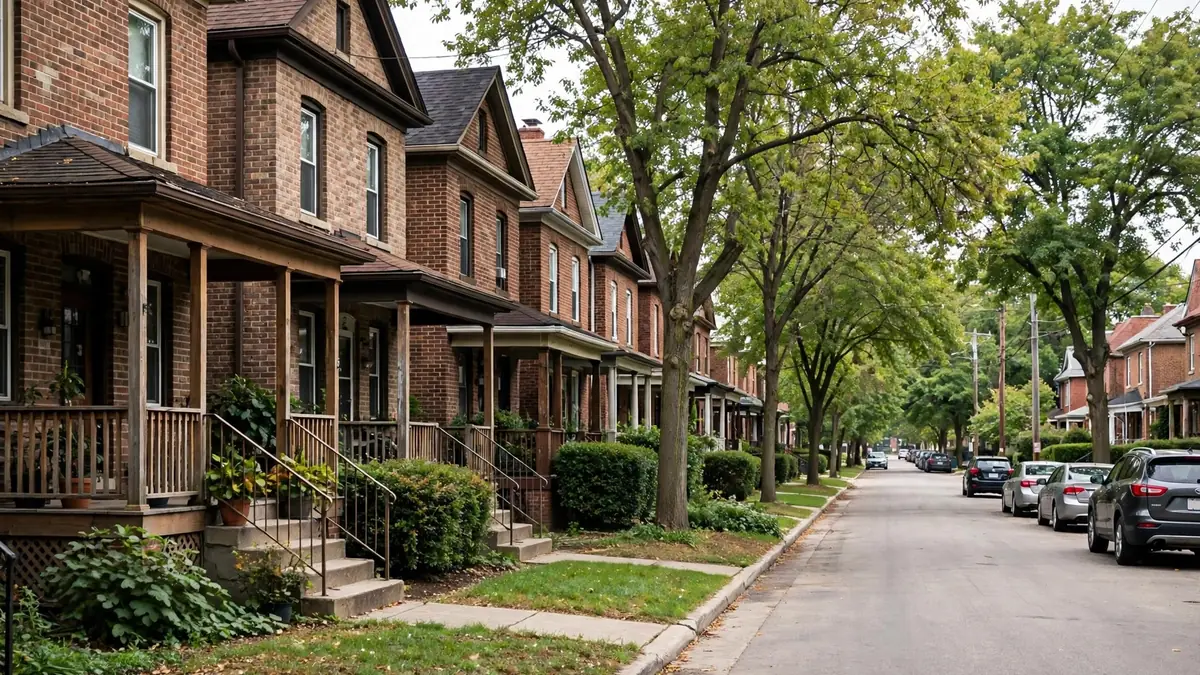
Key facts: Contents Cleaning and Pack-Out in Portage Park and Jefferson Park
Basements
A lifetime in the basement
Bungalow basements often hold decades of belongings: tools, holiday decorations, old furniture, photo albums and boxes of papers. After a fire, they may be sooty, wet or both. A pack-out sorts, inventories and moves them so the basement can be cleaned and dried.
Keepsakes
Family photographs and heirlooms
Photographs, documents and heirlooms go to specialists. Wet photos are separated and air-dried or frozen; smoky ones are cleaned by conservators. Point these items out at the walk-through.
Half-story
Belongings in the half-story bedrooms
The half-story often takes heavy smoke because it sits at the top of the stair. Clothing, bedding and furniture there are packed out for cleaning. Narrow stairs and sloped ceilings make moving large pieces tricky; crews protect walls and stairs.
Keep with you
What to take before a pack-out
- Medications and glasses
- Identification and insurance papers
- Phone chargers and a week of clothing
- Work and school items
- Pet supplies
Two-flats
Two households in one building
In a two-flat, each household's belongings are inventoried separately. The tenant's belongings are covered by their own renter's insurance [1].
What cleans
What usually comes back clean
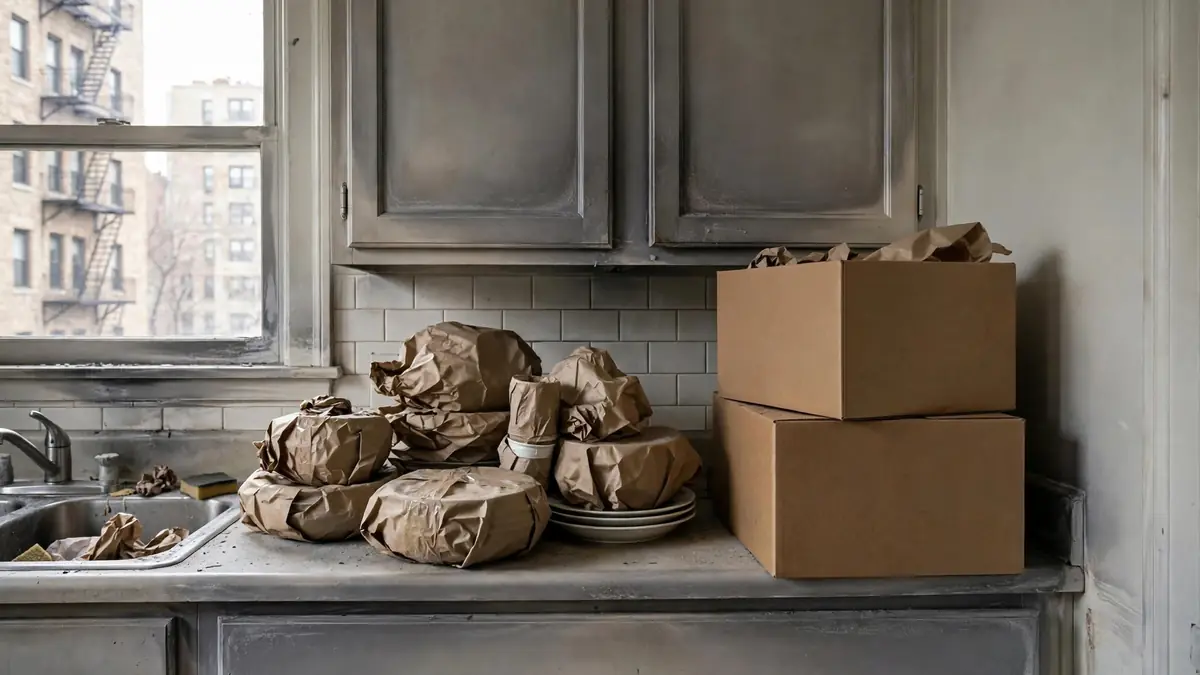
Dishes, glass, metal and solid furniture clean well. Clothing usually responds to laundering for smoke. Mattresses and foam with deep odor are judged one by one. Electronics need specialist inspection.
Garage
Garage contents
Detached garages store tools, bikes, lawn equipment and chemicals. After a garage fire, damaged items are inventoried; hazardous materials are disposed of properly.
Inventory
The list for your adjuster
The crew's photographed inventory becomes the backbone of your contents claim. Add items from memory, including seasonal items [1].
Displacement
Staying with family
Many Northwest Side families stay with relatives during repairs. The Illinois Department of Insurance notes that insurers may require proof of payments to relatives for living expense claims [1].
Pack-back
Bringing belongings home
Items come back after the house is clean and odor-free. Check each box against the inventory and flag anything that still smells.
Electronics
Televisions, computers and appliances
Acidic smoke residue can corrode electronics weeks after a fire, even if they seem to work. Keep them unplugged until a specialist checks them, and ask about data recovery for anything holding family photos or documents. Small kitchen appliances near the fire are often replaced, since residue in heating elements can smell or smoke when used.
Furniture
Solid wood and upholstered furniture
Many Northwest Side homes have solid wood furniture that has been in the family for years. It usually cleans well, and refinishing can fix heat-clouded finishes. Upholstered pieces are judged one by one; foam holds odor deeply.
Clothing
Clothing and linens
Clothing and linens usually respond to laundering or dry cleaning designed for smoke, sometimes over several cycles. Ask before washing at home, since some residues set in hot water.
Timeline
How long belongings are away
For a small fire, a few weeks; for heavy damage with repairs, months. Ask how to request items from storage in the meantime.
Access
Getting belongings out of a bungalow
Bungalow stairs to the half-story are steep and narrow, and basement stairs can be tight too. Large furniture may need to be disassembled to come out. Crews protect walls, trim and stair treads and usually load from the side door, the back door or the alley.
In a two-flat, the shared front stair is used carefully so the other household can still come and go.
Choosing a crew
Questions for a contents contractor
Ask how the inventory is kept and whether you get a copy, where items are stored and how the facility is secured, which items go to specialists and how you can request something before pack-back. Ask whether they work with renter's insurance claims for tenants in two-flats.
Garage storage
Belongings stored in the garage
If the garage was damaged, its contents need sorting too: bikes and tools often clean well, while cardboard, fabric and paper usually do not. Paint, fuel and chemicals exposed to fire are disposed of safely rather than restored.
Two-flats
Keeping two households' belongings apart
In a two-flat, the owner's and tenant's belongings may sit side by side in the shared basement. Crews keep separate inventories and label every box by household as well as by room, so nothing is mixed up in storage or returned to the wrong unit.
FAQ
Northwest Side pack-out questions
Can family photos be saved after a fire?
Often, with specialist cleaning or drying. Point them out at the walk-through.
Is basement storage included?
Yes. List and photograph basement belongings too.
Who covers my tenant's belongings?
The tenant's own renter's insurance.
Can I stay with family during repairs?
Yes. Ask your insurer what proof they need for living expense claims.
How long are belongings in storage?
From a few weeks to several months.
When do belongings come back?
After the house is clean and odor-free.
Can old family furniture be saved?
Solid wood usually cleans well, and refinishing can fix heat damage. Upholstered pieces depend on how deep the odor went.
Should I wash smoky clothes at home?
Ask first; some residues set in hot water. Smoke-specific laundering works better.
Can I get a copy of the pack-out inventory?
Yes. Ask for it; it is the backbone of your contents claim and you should check it against your own memory of each room.
Will my belongings be mixed up with my tenant's?
No. Crews keep separate inventories and label boxes by household and room.
Can wet basement boxes be saved?
Contents often can be, if moved and dried quickly. Wet cardboard itself is discarded and items are repacked.
Does my homeowners policy pay for storing my belongings?
The Illinois Department of Insurance notes you can submit a claim for storage needed until your home is ready for occupancy. Confirm the details with your insurer.
Can I clean some items myself instead of packing them out?
Hard items like dishes and metal from lightly affected rooms can often be cleaned at home once you know the residue is dry. Ask before washing fabrics.
What about items in the half-story bedrooms?
They often take the heaviest smoke, so clothing, bedding and furniture there are usually packed out for professional cleaning.
What happens to items that cannot be restored?
They are listed on the inventory with photos and kept for your adjuster to see before disposal, as Illinois guidance recommends.