
Key facts: Water Damage From Firefighting in River North and Streeterville
Towers
Sprinkler water through tower floors
A sprinkler head releases water until its zone is shut off, and that water runs down through floor penetrations into units below. Management coordinates access, including to units whose owners are away, so drying can start in every wet unit at once. Flooring over concrete is often lifted so the slab can dry.
Lofts
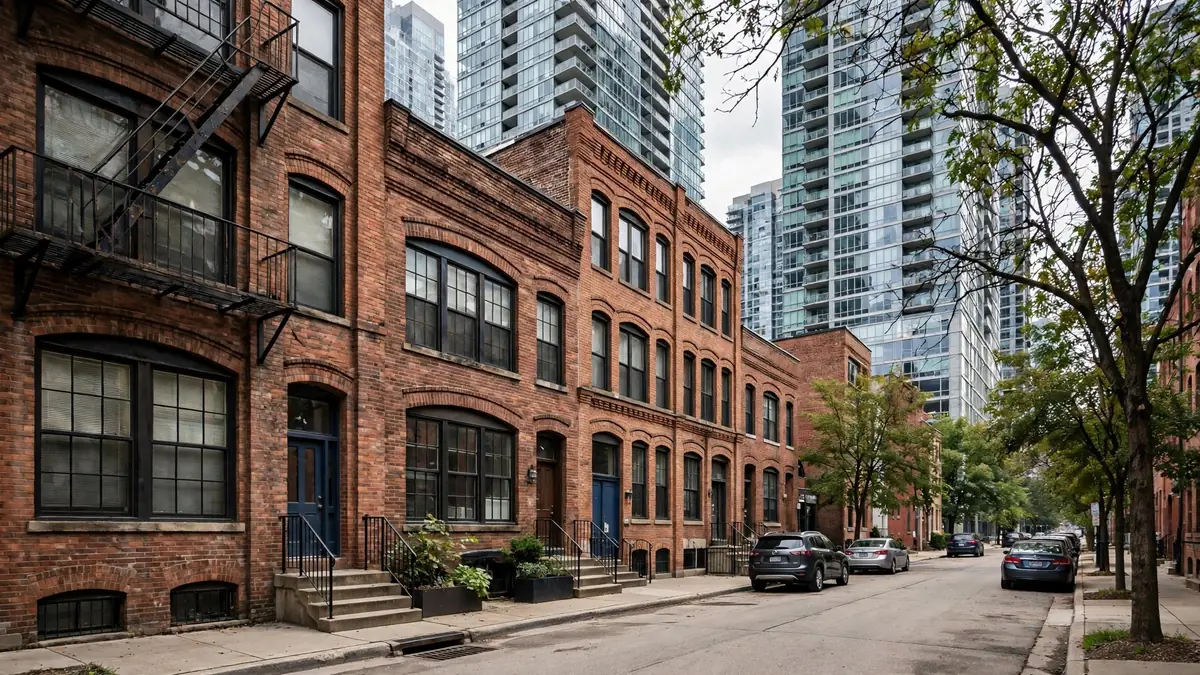
Water in River North lofts
Loft floors on heavy timber and brick walls absorb water and dry slowly. Controlled drying with daily readings protects them [2].
Row houses
Water in Old Town row houses
Hose water in an attached row house can soak the party wall and the neighbor's basement. Neighbors coordinate drying and claims.
First steps
When water comes through your ceiling
- Turn off power to wet areas if safe
- Call management
- Move art and valuables away from water
- Photograph everything
- Notify your insurer
Mansions
Plaster and fine finishes in mansions
Water from a fire in a Gold Coast mansion soaks plaster ceilings, decorative moldings and hardwood. These are dried slowly to protect them, and art and antiques are moved out quickly.
Art
Protecting art and valuables
Near North homes often hold art and antiques. Move them away from water at once, and have conservators handle anything that got wet.
Mold
Watching for mold
A few weeks on, look in closets and under flooring. For larger areas of mold, EPA advises professional help [1].
Records
Drying records
The moisture log and photos help every insurer involved [4].
Dirty water
Why firefighting water needs more care
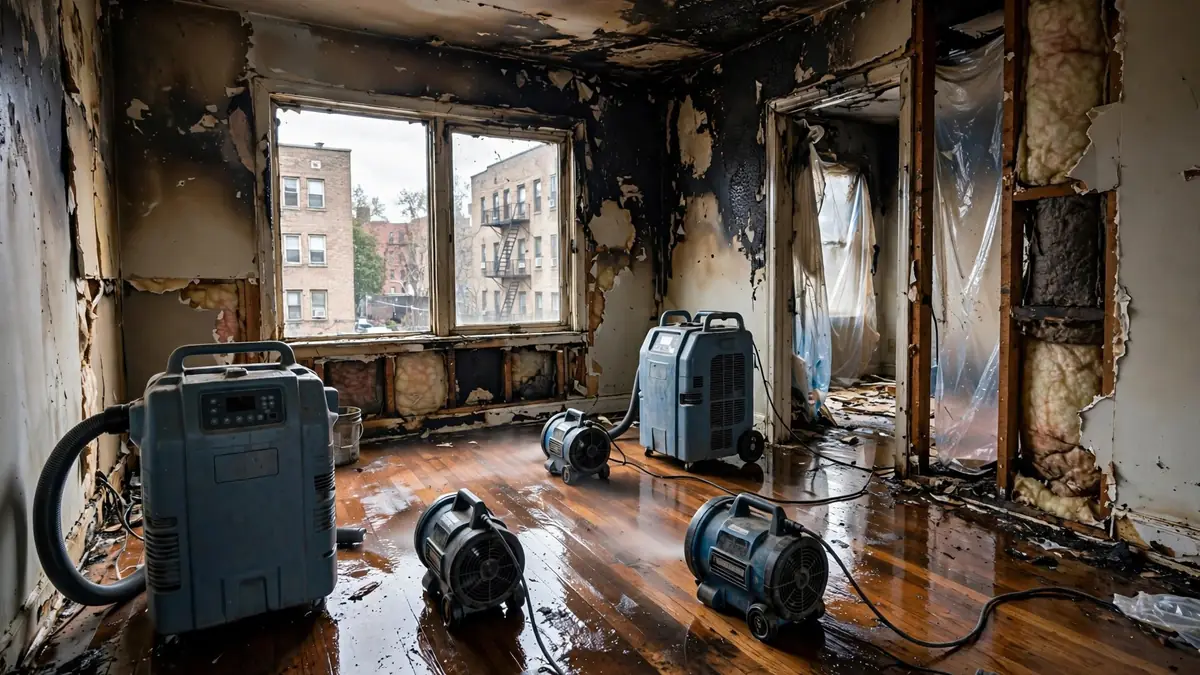
Water that has passed through a fire scene picks up soot, ash and burned material. It is not the same as water from a clean supply line, and it can leave residue in carpet, wall cavities and the units below. Crews generally extract it quickly, remove soaked porous materials and clean surfaces before drying. Drying first without cleaning can leave smell and residue locked in the structure.
Units below
When the fire was upstairs
Many Near North residents discover firefighting water without seeing any flames. A sprinkler or hose stream several floors up can run through ceilings, light fixtures and risers. If water reaches your unit, stay away from wet ceilings and fixtures, tell management, photograph it and notify your insurer. Your unit-owner or renter's policy is usually separate from the association's policy and from the policy of the unit that burned. Keep your own notes, even if you think someone else is responsible.
Lofts and old buildings
Timber, brick and plaster take water differently
Water runs along timber beams and through the joints in plank floors, so it may appear some distance from where it started. Brick soaks it up and returns it slowly. In Gold Coast houses and Old Town row houses, it can collect in plaster ceilings, which can become heavy and dangerous, so do not poke at a bulging ceiling. Basements below a row house fire can collect a lot of water and may share walls with neighbors. In each case, ask for readings beyond the visible stain.
Order of work
What happens first
- Release from the fire department or building
- Power and safety checks
- Water extraction from floors and basements
- Removal of soaked carpet, pad and insulation
- Cleaning of soot-laden residue
- Drying with daily readings
- Repairs after materials reach their goal
Mold and timing
Keeping the clock in mind
Wet materials can begin growing mold within a short time if they stay damp, and a fire scene may be held for inspection before work can begin. Ask when you can get in, and ask management to give the crew access as soon as it is allowed. Meanwhile, do what is safe: remove water you can reach, lift belongings off wet floors and keep records. Once the job is done, check closets and floors over the next few weeks and report any musty smell.
Basements
Water at the bottom of the building
In a tower, firefighting water can end up in lower floors, storage lockers and mechanical rooms. Check your locker and tell management about anything wet, because stored boxes on a damp floor can grow mold without anyone seeing them. In Gold Coast houses and Old Town row houses, the basement often collects whatever the upper floors shed. Stay out if water may be touching electrical equipment. Boilers, water heaters and panels that got wet should be checked by a qualified person before use.
Carpet and floors
What usually stays and what goes
Carpet pad soaked by dirty water is generally removed. Carpet itself may go too, depending on how contaminated it is. Hard floors can often be kept if water is removed quickly, though wood may cup and need time to settle. Soaked drywall may be cut above the water line, particularly when insulation behind it is wet. Plaster and timber in older buildings are more often dried and cleaned in place. Ask why each material is going, and photograph it before removal so your insurer has a clear record of its condition.
Insurance
Keeping several claims straight
A single fire in a tower can produce many claims: the unit that burned, the units below, the association and the businesses on the lower floors. Give each party the same dates and photos, and keep the fire report number handy. Do not sign anything assigning your claim until you have read it. Illinois insurance consumer guidance explains what to do after a loss, and your own insurer can tell you what applies to your policy.
Questions
What to ask before crews start
Ask whether soot-laden water will be cleaned before drying starts, which materials are coming out and why, and who will check the units below. Ask for daily readings and a copy of the photos. If you are a renter, ask your landlord what the building will handle.
Ask as well how wet debris will leave the building, since management may require covered carts and the service elevator. A clear route keeps dirty water and debris out of lobbies and away from neighbors who were not affected by the fire.
FAQ
Near North water damage questions
What should I do if sprinkler water is coming through my ceiling?
Turn off power to the wet area if safe, call management, photograph and start drying.
Why lift my flooring?
Water on the concrete slab dries very slowly under flooring.
Who dries units whose owners are away?
Management grants access for drying.
Can wet art be saved?
Often, by conservators, if handled quickly.
How long does drying take?
Often days to two weeks; timber and plaster take longer.
Is sprinkler damage covered?
Often as part of the fire loss, but policies differ.