
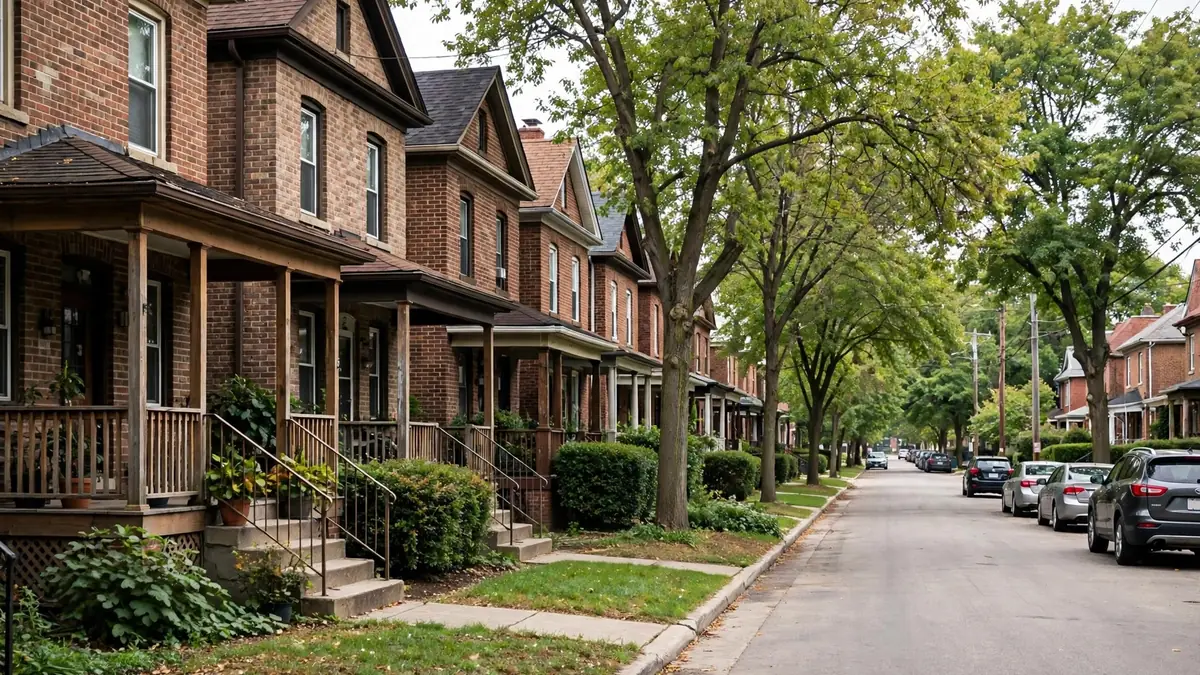
Key facts: Water Damage From Firefighting in Portage Park and Jefferson Park
Basements
Why the bungalow basement takes the water
Bungalow floors are wood over joists, and the basement below is open or partly finished [1]. Water from hose lines upstairs runs through the floor, along the joists and pipes and drips or pours into the basement. Stored belongings on the floor, finished walls and carpet soak it up.
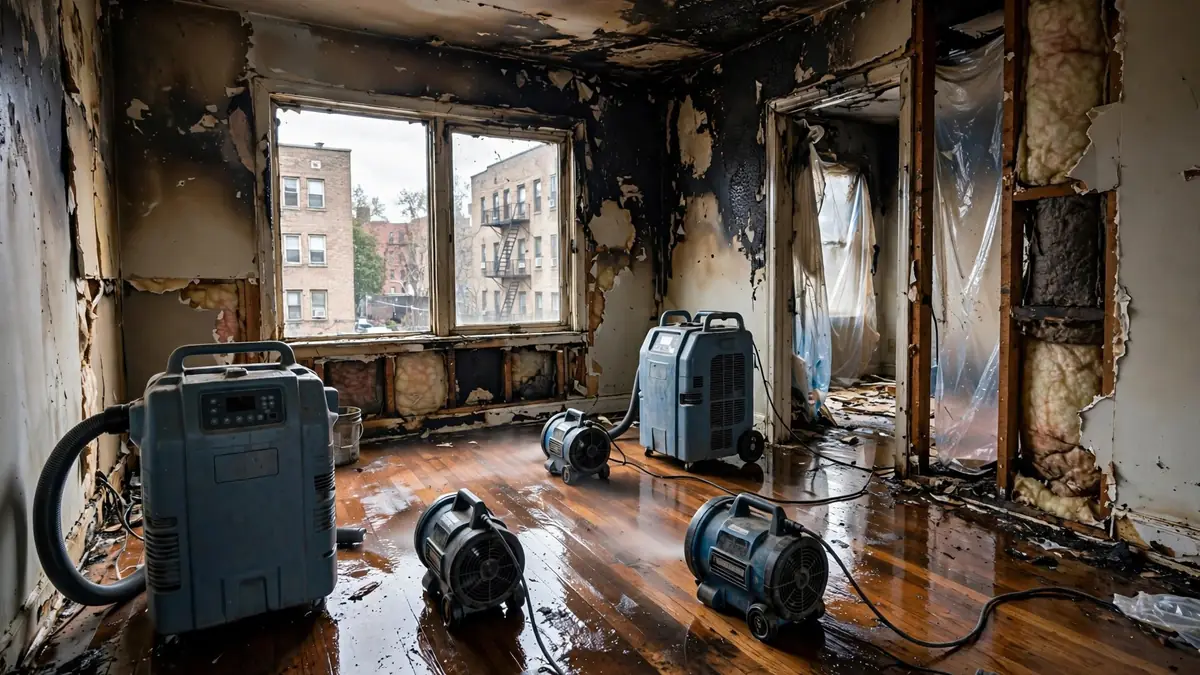
Extraction and removal of wet finishes in the basement come first, followed by drying equipment and daily readings.
Equipment
Furnace, water heater and electrical panel
The basement holds the house's mechanical heart. Water around the furnace, water heater or electrical panel means none of them should be used until a qualified professional checks them [3]. In winter, a furnace out of service means protecting the pipes from freezing.
Finished basements
Paneling, drywall and carpet
Many Northwest Side families finished their basements into recreation rooms or extra bedrooms. Paneling and drywall over the foundation walls trap moisture against the masonry, and carpet pad holds water. These finishes usually come out so the foundation can dry.
First steps
First steps when fire water reaches your basement
- Shut off power to wet areas if safe
- Keep away from the furnace and panel if they are wet
- Lift stored belongings off the floor
- Photograph everything
- Call your insurer
Main floor
Oak floors and plaster on the main floor
The main floor's oak flooring cups as it absorbs water. Floor drying mats and patient drying often bring it back for refinishing. Plaster ceilings below the half-story may sag if water sat above them; crews check and drain them carefully.
Two-flats
Water in the lower unit of a two-flat
In a two-flat, water from a fire in the upper unit soaks the lower unit's ceilings and walls before reaching the basement. Both units and the basement are dried together. The tenant's belongings fall under the tenant's own renter's insurance [3].
Dutch Colonials
Water in Gladstone Park Dutch Colonials
In a Dutch Colonial, water from the upper floor runs down through the main floor into the basement. Wood-framed walls may hold water inside the cavities, which meters and thermal imaging can find.
Belongings
Rescuing stored belongings
Basements hold boxes of photos, documents, holiday decorations and keepsakes. Move them to a dry space quickly, separate wet papers and photos, and freeze important wet papers if they cannot be dried in a day or two. Keep damaged items for the adjuster [3].
Winter
Winter fires and frozen pipes
If the furnace is out after a winter fire, a wet bungalow can freeze its pipes within a day or two. Temporary heat or draining the plumbing is part of the plan.
Drying
Measured drying to the IICRC standard
Professional drying follows the ANSI/IICRC S500 approach: measure, extract, remove what cannot be dried and dry with controlled equipment, recording readings daily [4].
Mold
Watching for mold afterward
Check the basement and closets a few weeks after drying. EPA advises fixing moisture sources and getting professional help for larger mold areas [2].
Floor drains
Basement floor drains and sump pits
Many bungalow basements have a floor drain, and some have a sump pit. After a fire, debris from firefighting can clog the drain, so water stands longer than it should. Clearing the drain and checking the sump pump, if there is one, are early steps in extraction.
Debris and soot washed into the drain can also cause odor later; the drain is flushed once the basement is dry.
Neighbors
When water crossed to the house next door
On narrow bungalow lots, firefighters sometimes work from a neighbor's yard or gangway, and hose water can soak the side of the neighboring house or pour into its window wells. Neighbors document and claim their own damage through their own insurers.
Timing
Why the first day matters
Every hour that water sits in a basement, more of it soaks into stored belongings, paneling and the bottom of the walls. Extraction on the first day, as soon as the house is released, limits the damage and the drying time.
Choosing a crew
What to ask a drying contractor
Ask how they will handle the basement, the joists and the oak floors above, whether they keep daily moisture logs and how they will power equipment if the panel got wet. Ask how they will coordinate with the smoke cleanup so drying air does not spread soot through the house.
Ask for the moisture log in writing at the end; it shows your insurer the house was dried properly.
Belongings
Belongings on the main floor
Rugs, upholstered furniture and anything sitting on wet oak floors upstairs also soak up water. Lift furniture onto blocks or foil, roll up wet rugs and move them to a dry space, and keep receipts for anything you buy to limit damage.
Insurance
Water damage and your fire claim
Water used to put out a covered fire is generally treated as part of the fire loss, but every policy differs. Document the water damage alongside the fire damage, keep receipts for fans or supplies you buy, and keep damaged items for the adjuster [3].
FAQ
Northwest Side fire water questions
Why is my bungalow basement flooded after a kitchen fire?
Hose water runs through the main floor and collects in the basement below.
Can my finished basement walls be saved?
Paneling and drywall that soaked up water usually need to come out so the foundation can dry.
Is my furnace safe after the basement flooded?
Not until a heating professional inspects it.
Can my oak floors be saved?
Often, with floor drying and refinishing.
Who pays for the tenant's belongings in my two-flat?
A renter's own policy, if the tenant has one.
How long does drying take?
Often several days to two weeks, depending on materials and weather.
Should I clear my basement floor drain after a fire?
Have the crew check it. Firefighting debris can clog it so water stands longer than it should.
Do I need to move furniture off wet floors?
Yes. Lift it onto blocks or foil and move rugs to a dry space so the floor can dry and the furniture is not stained.
Is fire hose water damage part of my fire claim?
Generally, as part of the covered fire, but policies differ. Document it with the fire damage and ask your insurer.
Will my water heater need replacing after it sat in water?
Not necessarily. Have a qualified technician inspect it before use; units with flooded burners or controls are often replaced.