
Key facts: Odor Removal in River North and Streeterville
Towers
Risers and corridors
In towers, odor that survives unit cleaning often comes through exhaust risers, corridor air or trash chutes. If smell appears when a neighbor's fan runs, report it to management. Your fan coil or heat pump is cleaned as part of your unit's work [3].
Lofts
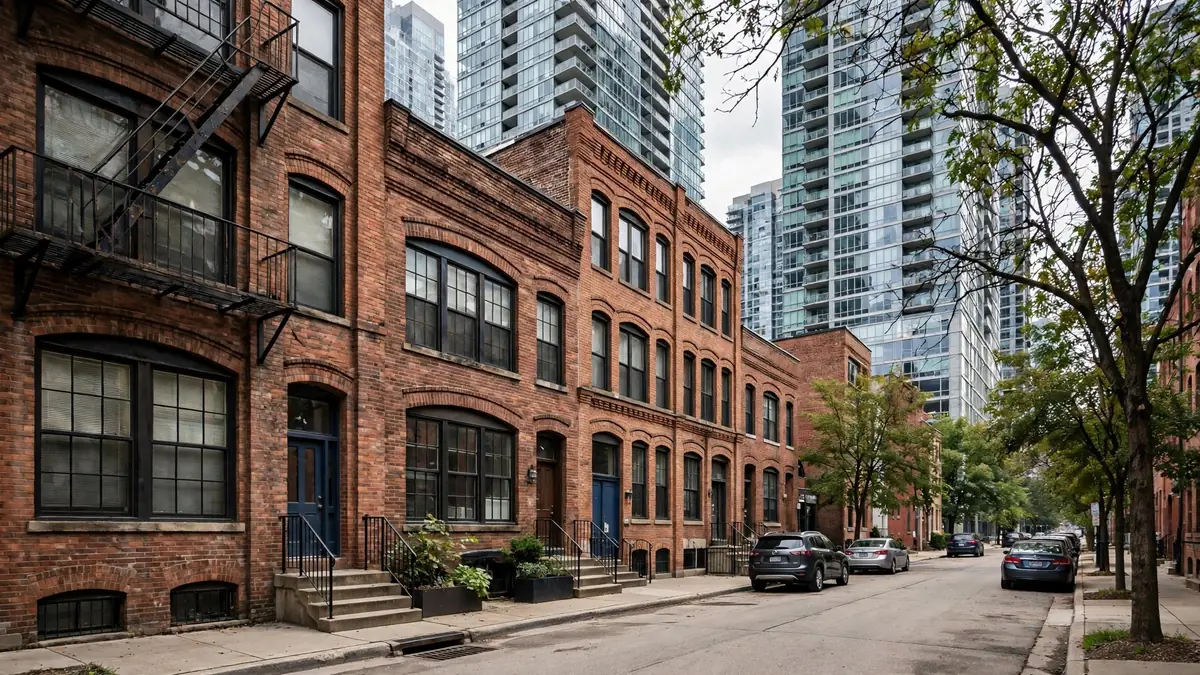
Odor in brick and timber
Exposed brick and timber absorb odor. After cleaning, sealing them can lock in remaining residue. In an open plan, the whole unit is treated at once.
Clues
Where to sniff in a Near North home
- Under the door facing the corridor
- Kitchen and bath exhaust grilles
- Fan coil closets
- Fireplace and chimney
- Shared walls in row houses
Restaurants
Restaurant odor above River North kitchens
Greasy protein residue from a restaurant fire below needs degreasing on every surface before treatment. Its smell is strong and clings to fabrics.
Treatments
Treatments in occupied buildings
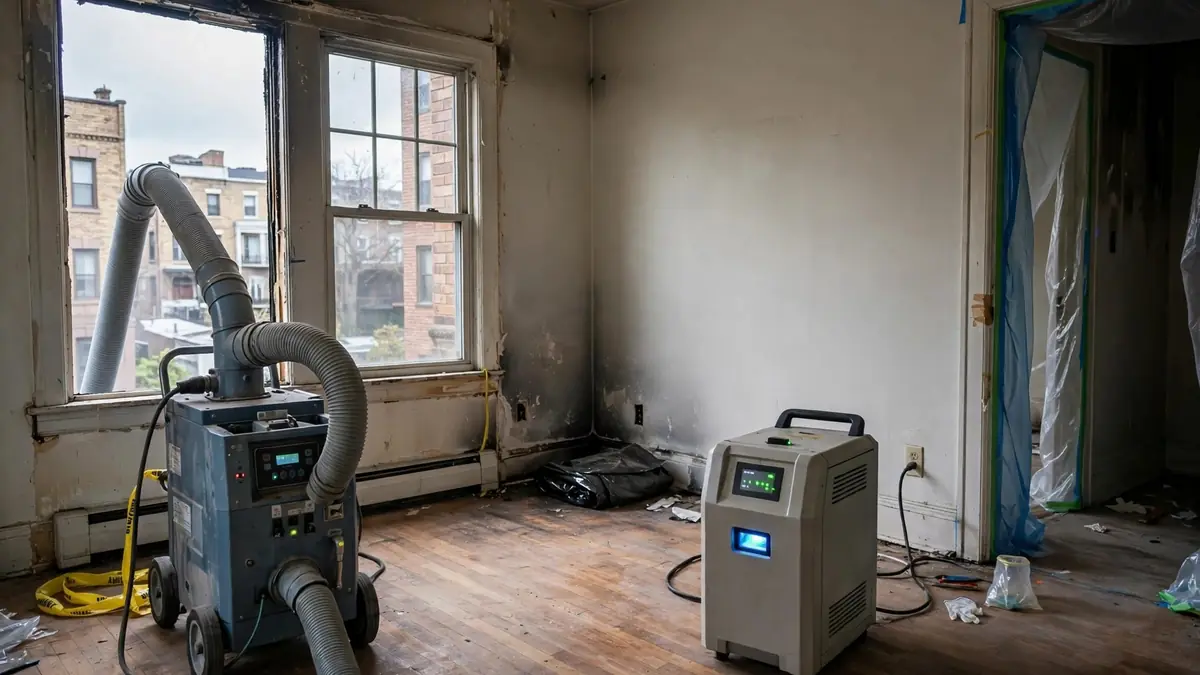
Hydroxyl units and carbon filtration usually run with people present. Ozone requires an empty, sealed space, and EPA warns it can damage rubber, fabrics and artwork [2]; many towers do not permit it.
Contents
Art, fabrics and furniture
Art and fine fabrics are cleaned by specialists. Clothing usually responds to smoke laundering; foam with deep odor may not.
Claims
Documenting persistent odor
Write down where and when the smell appears and keep damaged items for the adjuster [4].
Why it lingers
Where smoke smell hides on the Near North Side
Smoke odor stays because residue remains somewhere, and Near North buildings give it many places to sit. In lofts it settles into rough brick and old timber. In mansions and row houses it reaches attics, plaster, closets and chimney spaces. In towers it hides in cabinets, fan coil units, door gaps and the shafts that connect floors. Sprays cover it only for a short time. Lasting removal means cleaning surfaces first, then treating what remains.
Neighbors
When the smell is from another unit
Many tower residents never had a fire in their own home. Smoke from another floor can arrive through corridors, shafts and gaps. In that case, tell management and your insurer, and write down dates and where the smell is strongest. Sealing door gaps can reduce further entry, but it is not the same as cleaning. If the smell comes from building shafts, the association may need to act before your unit can stay fresh. Ask about the shared spaces as well as your own walls.
Methods
How deodorizing is chosen
Odor treatment depends on what burned and where the residue went. Thermal fogging can reach small cracks in a similar way to smoke. Ozone and hydroxyl machines are other options, each with safety rules. Ozone, in particular, requires the space to be empty of people, pets and plants. In a tower, ask whether the building allows a given method and how treatment air is kept out of shared spaces. Sealers may be used on framing or subfloor after cleaning, where residue cannot otherwise be reached.
Your part
Helping the job along
- Keep the HVAC off until it has been checked
- Tell the crew about any smell that returns on warm days
- Replace filters after the job
- Launder or clean soft items before they come back
- Keep closets and cabinets open during treatment
- Note which rooms smell at which times of day
- Stay out during any treatment that needs an empty space
Testing
How to know it is gone
After treatment, a space should smell neutral, without a masking perfume. Close up the unit for a day, then walk back in with fresh air on your nose, or ask someone who was not there during the fire. Warm weather and first use of the heat are good tests, since warmth can bring back odor. Ask what happens if the smell returns, and get that answer in writing before the job closes.
Soft goods
Fabric, carpet and closets
Clothing, curtains, carpet and upholstery soak up smoke and release it slowly. A clean room can begin to smell again when those items come back, so they need treatment before they return. Carpet pad often holds more odor than the carpet on top. In River North lofts with open plans, one smelly sofa can scent the entire space. Closets are a common trouble spot since their air barely moves, so keep their doors open during treatment and clean the shelves and rods.
Walls
Sealing after cleaning
Where framing or the back of drywall has been charred or stained, cleaning may not reach all of the residue. An odor-sealing primer can lock in what is left, but only once loose material has been removed. In older plaster houses, ask which sealer is suitable, as plaster and old paint can react differently from modern drywall. Sealing over dirty surfaces can trap smell, which tends to come back during warm weather.
Living there
Staying in the unit during the work
Some treatments are fine with people nearby, while others require an empty unit for a period. Ask for the safety sheet for any product, and ask how long you need to stay out. People with asthma, young children and pets are more sensitive, so talk to a doctor if you have concerns. Fresh air helps once treatment is done, but check the forecast. High floors can be windy, and open windows can bring in dust or rain.
Lofts
Treating a large open plan
An open River North loft has a large volume of air and no doors to divide it. Treatment may need more equipment, or temporary walls to work one zone at a time. Exposed timber and brick should be cleaned before any treatment starts, or the smell will return.
High ceilings add to the challenge, because warm air and odor collect near the top. Ask the crew to treat beams, duct tops and upper walls, then check the space again from a ladder or lift before they call the job finished.
FAQ
Near North smoke odor questions
Why does my condo smell when a neighbor's fan runs?
Residue in the shared exhaust riser is a likely cause. Tell management.
Can ozone be used in my tower unit?
Only if empty and sealed; many towers do not allow it.
Can odor be removed from loft brick?
Usually, by cleaning then sealing the brick.
Why does my row house smell after a neighbor's fire?
Smoke passes through shared attics and party walls.
Can art be cleaned of smoke odor?
Often, by conservators.
How long does odor removal take?
Often days to a few weeks, once the sources are clean.