
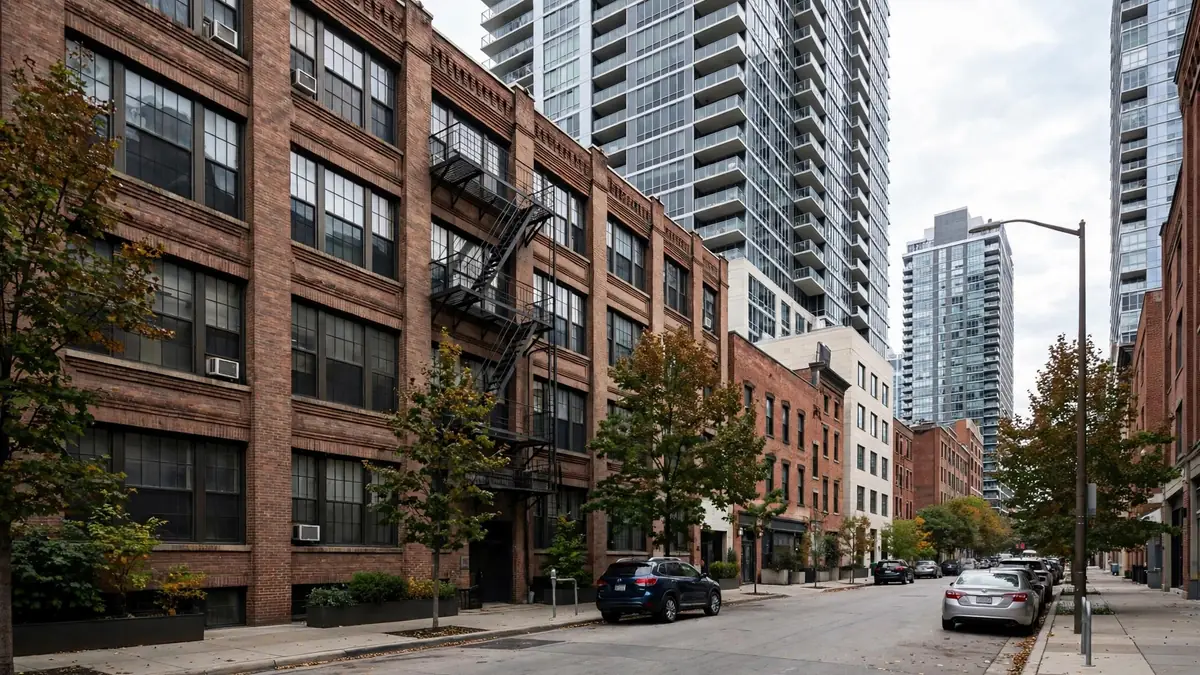
Key facts: Board-Up and Tarping in Loop and South Loop
Towers
Securing high-floor windows
When a window breaks on a high floor, wind can drive rain and cold deep into the unit and push loose debris outward. Crews install framed plywood or temporary panels from inside, sealed at the edges. Management usually coordinates permanent glass replacement with the building's window contractor.
Doors
Forced unit doors
Firefighters may force a unit door. A temporary secure door or reinforced plywood with a lock lets the owner and contractors in while keeping the unit closed to the corridor.
Lofts
Large loft windows
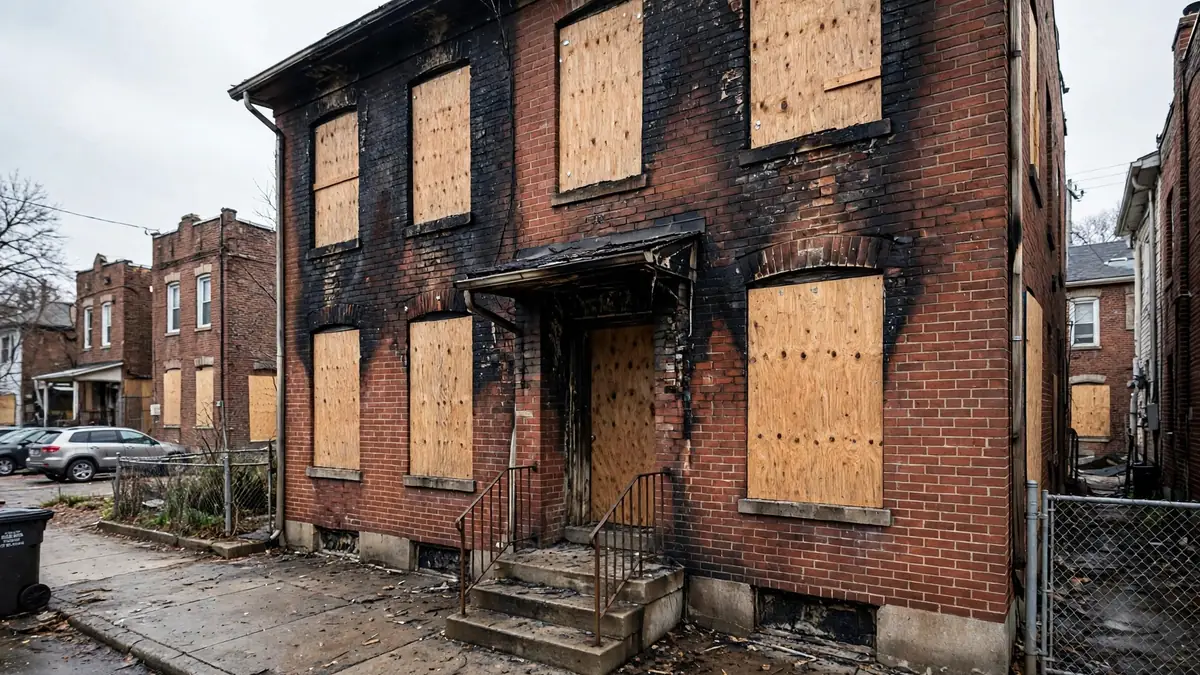
Printers Row lofts have large windows in masonry openings. Boards are fastened to the frames, not drilled into brick. In the landmark district, permanent window replacement may need review [4].
Priority order
What gets secured first downtown
- Forced unit doors
- Broken windows on any floor
- Roof openings on lofts and townhomes
- Storefront glass at street level
- Damaged balconies
Townhomes
Townhome roofs and windows
South Loop townhomes may need roof openings tarped and windows boarded like any house, coordinated with the townhome association for roofs and exteriors.
Wind
Wind at height
Wind at upper floors is strong. Temporary covers must be fastened well and checked after storms.
Security
Securing a vacant unit
Change locks on secured doors and tell management the unit is vacant.
Records
Photos and receipts
Photograph every opening before and after and keep receipts [1].
Permits
Permanent repairs
Permanent window and door replacement may need permits [3] and building approval.
Associations
Who arranges securing in a condo tower
Windows, exterior walls and corridor doors are usually common elements, so the association arranges their temporary and permanent repair under its master policy. A unit’s interior door may be the owner’s responsibility. Check the declaration, and photograph everything before covers go up.
Tenants
Renters and a secured unit
If your rented unit was secured after a fire, ask management how and when you can get in to retrieve essentials, and who holds the key to any temporary lock.
Balconies
Damaged balconies and terraces
Some downtown units have balconies or terraces. Fire or firefighting can damage railings, doors and glass. Access is blocked until the building's engineer or a qualified professional confirms they are safe, and permanent repairs go through the building and, where required, a permit.
Storefronts
Street-level glass
Mixed-use buildings may have storefront glass broken during firefighting. Wide openings need framed plywood panels to secure them against the sidewalk. The business arranges this under its own policy, often with the same crew.
Choosing a crew
What to ask the crew
Ask whether they have worked in high-rises, how they will fasten interior panels, whether they carry the insurance the building requires and whether they photograph every opening before and after.
Lofts
Securing loft windows and roof hatches
Loft buildings in Printers Row have large windows and sometimes roof hatches or skylights. After a fire, broken loft windows are covered with framed panels fastened to the frames, not drilled into brick. Roof hatches and skylights on flat roofs are covered and sealed so rain cannot pool through them. On designated buildings, permanent replacement may need review.
Weather
Wind, rain and cold through broken windows
A broken window on a high floor lets in driving rain and, in winter, extreme cold. Water reaches floors and walls far from the window, and fan coils can freeze. Securing the opening the same day protects both the unit and those below.
Records
Photos and receipts
Photograph every opening before and after it is covered and keep every receipt. The Illinois Department of Insurance advises keeping all bills and receipts from temporary repairs [1].
Timeline
How long temporary covers stay
Interior panels on broken high-rise windows usually stay until the building's window contractor installs new glass, which can take weeks if custom units must be ordered. Check panels after storms, and report any leaks or loosening to management.
Choosing a crew
What to ask a downtown board-up crew
Ask whether they have secured high-rise units before, how they fasten interior panels without damaging frames, whether they carry the insurance the building requires and whether they photograph every opening. Ask whether they can coordinate with the restoration crew so drying and cleaning can start behind the panels.
Security
Keeping a damaged unit secure
If you are staying elsewhere, change the lock on any temporary door, tell management the unit is vacant and ask them to note it for security staff. Remove valuables, documents and medications as soon as it is safe. Check the unit after storms, or ask management to.
FAQ
Downtown board-up questions
How are broken high-rise windows secured?
From inside with framed panels; management coordinates replacement.
Can my forced unit door be secured?
Yes, with a temporary secure door or reinforced plywood and a lock.
Does landmark status affect board-up in Printers Row?
Not temporary board-up; permanent window replacement may need review.
Who handles townhome roof tarping?
Often the townhome association, for roofs and exteriors.
Does insurance cover board-up?
Many policies include reasonable temporary repairs. Keep receipts.
Can I board up a broken window myself?
Not on an upper floor. Leave it to a crew.
Do I need building approval before a contractor starts work downtown?
Most downtown buildings require contractors to register with management, show proof of insurance and book the freight elevator and loading dock. Contact management before the crew arrives.
Who secures a damaged balcony?
The building, usually through its engineer, since balconies are often common elements.
Does the crew need building approval?
Usually, with proof of insurance and an elevator booking.
Can a broken high-floor window freeze my fan coil?
In winter, yes. Securing the window quickly protects the unit and its equipment.
How long until my window is replaced?
It can take weeks if custom glass must be ordered. Interior panels protect the unit meanwhile.
Should I tell building security my unit is vacant?
Yes. Management can note it for security staff while repairs are underway.
Who holds the key to a temporary door?
Usually you, with copies for management and the contractor.
Does a forced unit door need a permit to replace?
Replacing a unit entry door often needs building approval because it is part of the corridor fire separation, and some replacements need a permit. Ask management which door ratings the building requires.
Can the building’s own staff secure my unit?
Some buildings have maintenance staff who can install a temporary door or panels. Ask management; otherwise a board-up crew can do it under the building’s contractor rules.
Is Printers Row board-up different?
Large loft windows in masonry are covered with framed panels fastened to the frames, protecting the original openings.